How to Make a Sourdough Starter
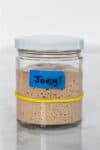
A simple day-by-day method for making a sourdough starter from scratch with flour and water. Use this as a starting point, then follow the 15-day log above to see how I adjusted along the way.
- Prep Time: 5 minutes
- Cook Time: 0 minute
- Total Time: 5 minutes
- Category: Bread
- Method: Fermentation
- Cuisine: American
Ingredients
- Flour
- Water
- Clean jar
- Kitchen scale
Instructions
Create the Starter (Day 1 to Day 8)
- Day 1: Mix 50 g flour and 50 g water. Cover loosely and leave at room temperature for 24 hours.
- Day 2: Add 30 g flour and 30 g water. Leave at room temperature for 24 hours.
- Day 3: Add 30 g flour and 30 g water. Leave at room temperature for 24 hours.
- Day 4: Remove half. Add 30 g flour and 30 g water. Leave at room temperature for 24 hours.
- Day 5: Add 30 g flour and 30 g water. Leave at room temperature for 24 hours.
- Day 6: Remove half. Add 30 g flour and 30 g water. Leave at room temperature for 24 hours.
- Day 7: Add 30 g flour and 30 g water. Leave at room temperature for 24 hours.
- Day 8: Check if the starter is ready. Look for bubbles, steady growth, and a mild tangy smell. If not ready, repeat the cycle starting from Day 4 until activity becomes consistent.
Notes
- The Day 1 to Day 8 method is from The Sourdough Whisperer and was the starting point I used to create my starter, Joey.
- Every sourdough starter develops differently. Mine wasn't ready by Day 8 and took about 15 days to become consistently active.
- If your starter isn’t ready by Day 8, continue the feeding cycle and watch for steady growth, plenty of bubbles, and a pleasant tangy smell rather than relying only on the number of days.
- Be sure to read the full post above for my detailed 15-day sourdough starter log, including what I fed Joey, the changes in his growth, smell, and texture, the adjustments I made, and what I learned along the way.
Find it online: https://www.myeclecticbites.com/sourdough-starter-log/