
Grocery shopping for two: smart, practical tips to help you buy the right amount, reduce waste, and make everyday shopping easier.
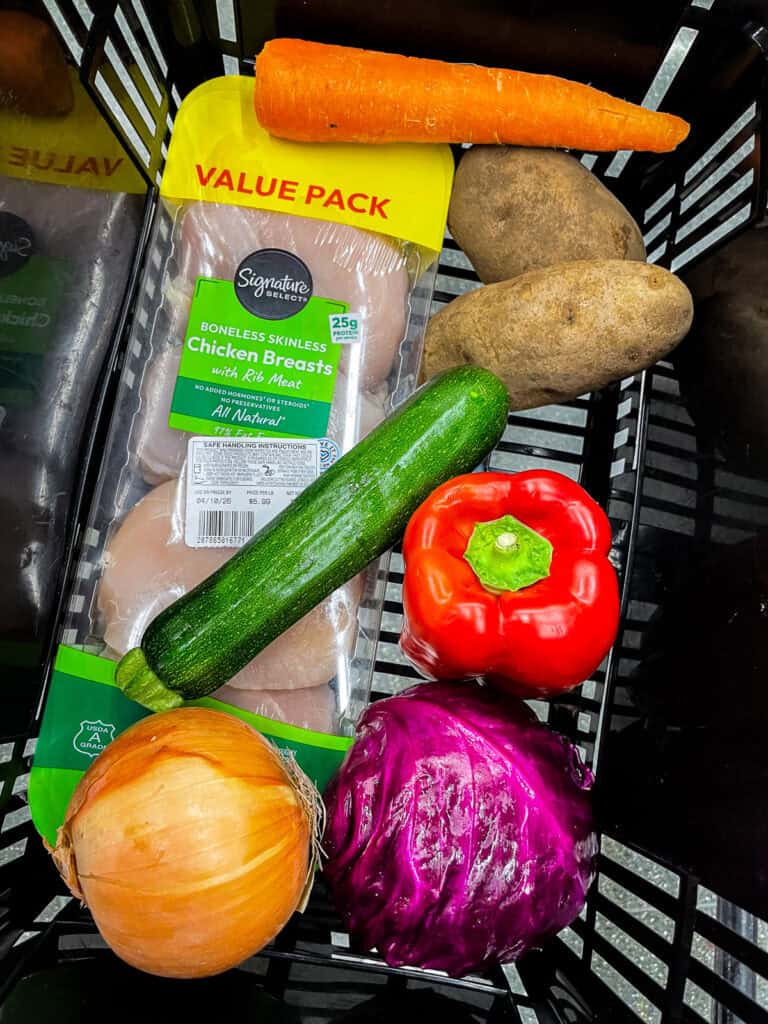
If you cook for one or two, you’ve probably felt this too. Buying more than you need and watching it go to waste over and over. I only needed two chicken breasts, but they were sold in packs of six. Half a zucchini turned into a pack of four. And herbs? I’ve thrown away more half-used bunches than I’d like to admit.
Over time, I changed the way I shop, and now I follow a few simple habits that make grocery shopping for two much more manageable and less wasteful.
5 Smart Tips for Grocery Shopping for Two
- Planning meals: Plan two meals from one ingredient
- Choosing items: Buy smaller quantities
- Where to shop: Use store sections designed for small portions
- After grocery trip: Portion family packs immediately
- During the week: Follow the 48-hour rule for fresh ingredients
These are the habits I use every week to make grocery shopping for two easier.
Jump to:
- 5 Smart Tips for Grocery Shopping for Two
- Planning meals: Plan two meals from one ingredient
- Choosing items: Buy smaller quantities
- Where to shop: Use store sections designed for small portions
- After grocery trip: Portion family packs immediately
- During the week: Follow the 48-hour rule for fresh ingredients
- Key Takeaways for Grocery Shopping for Two
Planning meals: Plan two meals from one ingredient
When cooking for two, one of the easiest ways to reduce waste is to think about how an ingredient can be used in more than one meal.
If a recipe calls for half a zucchini or a handful of spinach, I pause and ask myself, how can I use the rest? Here are a few examples from my kitchen:
- Potatoes → mashed potatoes one night, the rest used for curry
- Leek → couscous risotto one night, the rest used in a frittata
- Spinach → spinach and mushroom white pizza, then use the rest in dumpling noodle soup
- Zucchini → zucchini couscous, then the remaining zucchini in doenjang jjigae or orzo soup
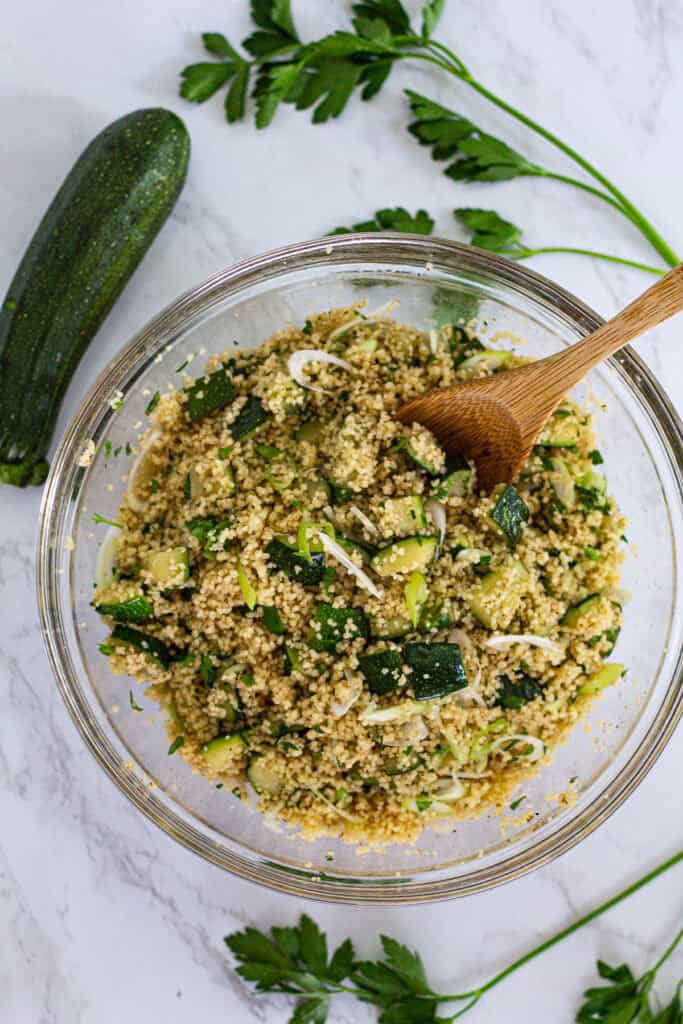
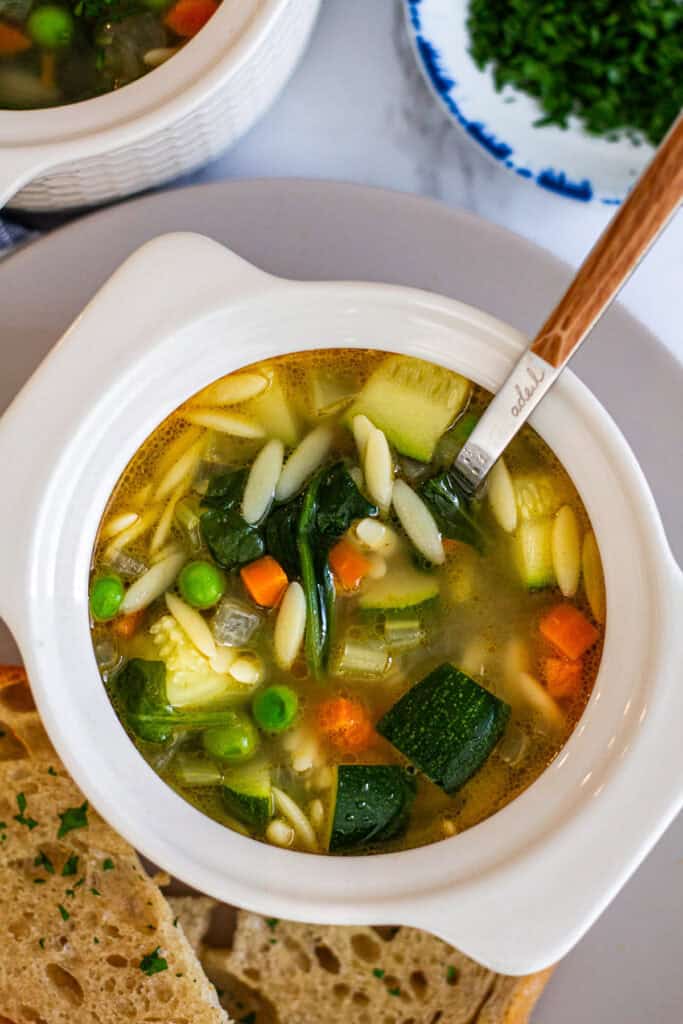
When I have leftover ingredients, I look for another recipe that uses them up. It’s simple, but it makes a big difference.
Choosing items: Buy smaller quantities
Most grocery stores are set up for bigger households, so shopping for two takes a little more intention.
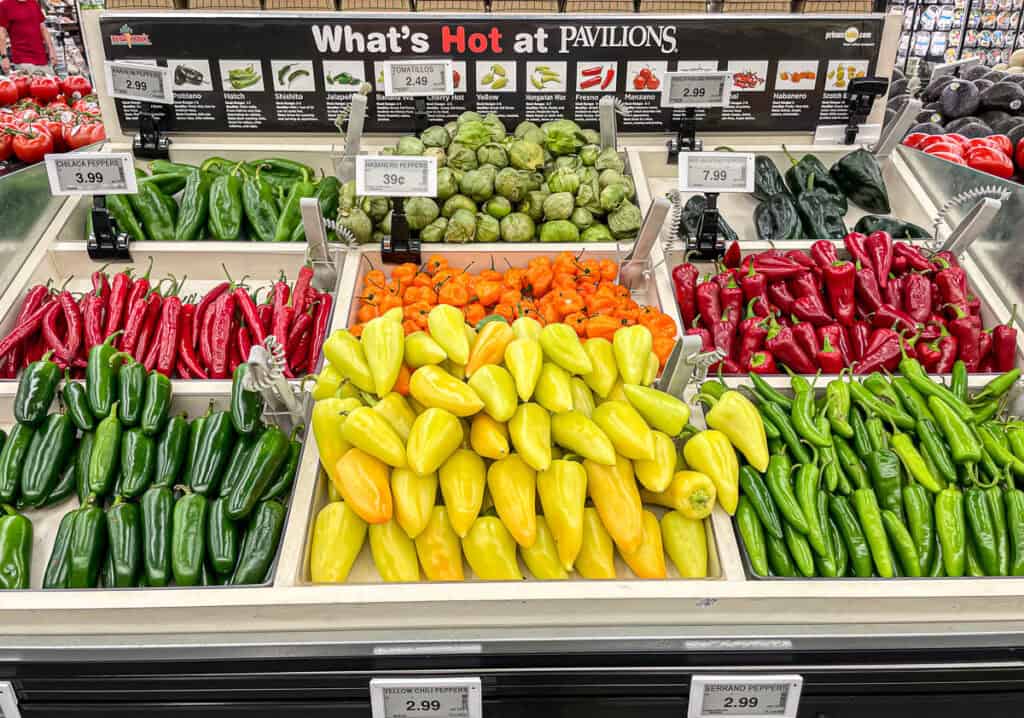
I usually skip large produce packages like 5-pound bags of potatoes, multi-packs of bell peppers, or three-pack romaine lettuce. Instead, I look for loose vegetables whenever I can. One zucchini, one onion, or two carrots is usually all I need.
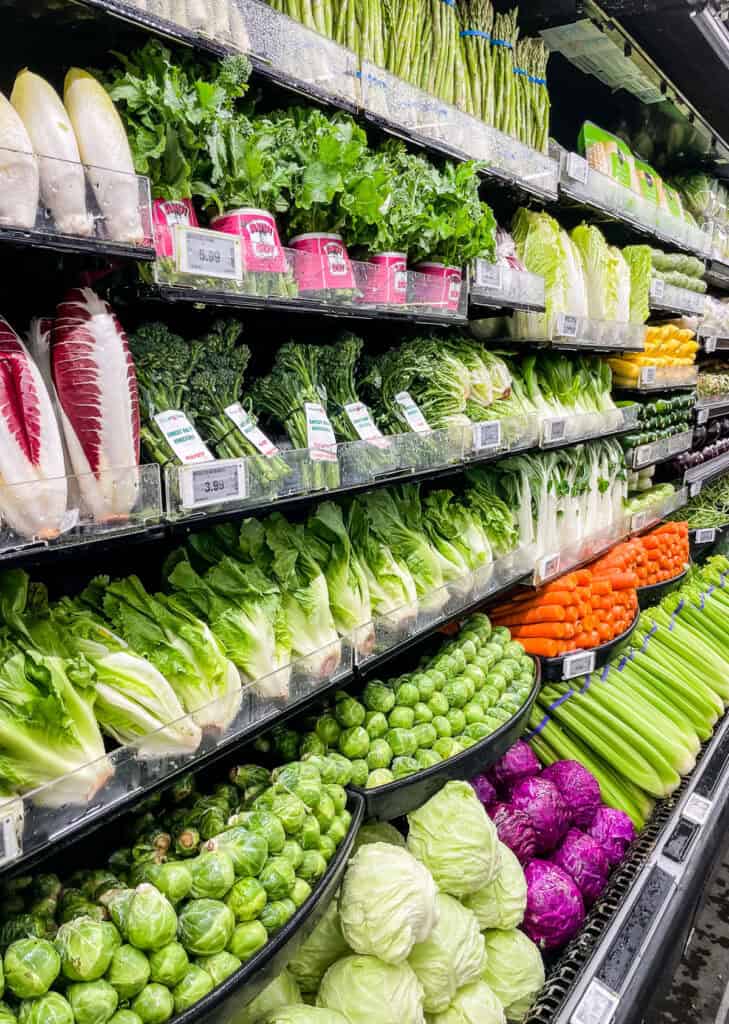
Value packs can look like a better deal, but if some of it goes to waste, it’s not actually saving money. And if I do end up with extra, I plan another meal to use it up before it sits too long in the fridge.
Where to shop: Use store sections designed for small portions
There are a few spots in the store I rely on when I don’t want to buy more than I need.
I usually start in the organic section since produce is often sold individually. It’s an easy way to grab just one zucchini, one onion, or a couple of carrots instead of a full bag.
I also shop at stores like Trader Joe’s or Aldi, where many ingredients come in smaller packages at reasonable prices. That alone makes cooking for two much easier.
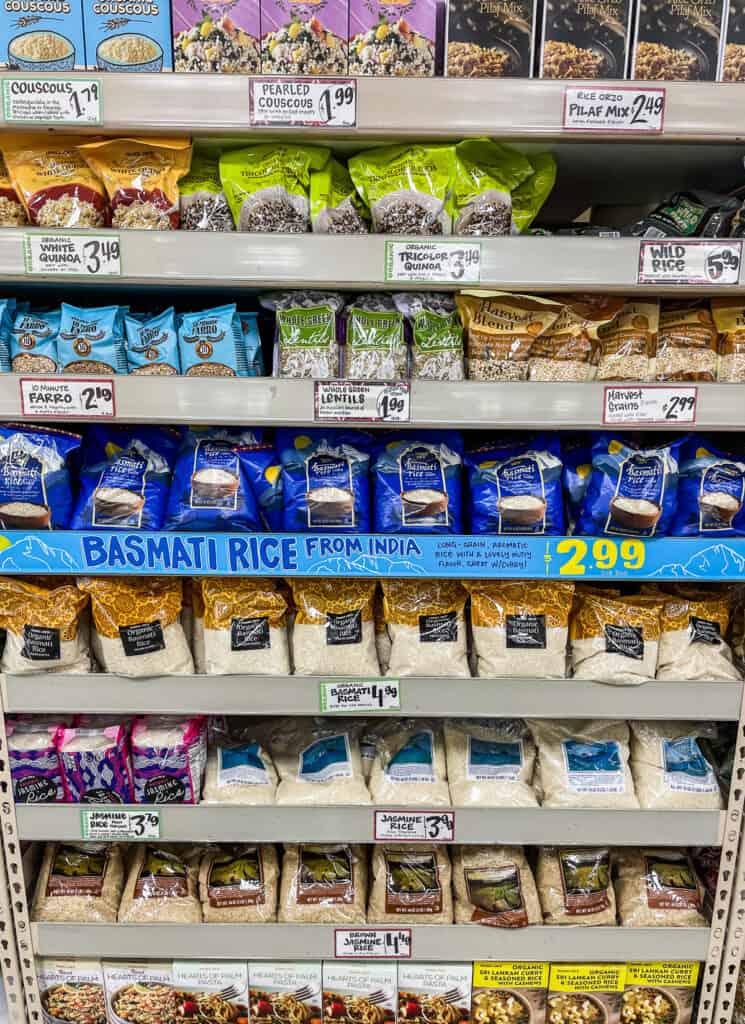
If your store has bulk bins, you can scoop just enough grains, beans, nuts, or spices without committing to a full bag.
The butcher and deli counters let you buy exactly what you need, like two chicken breasts or a small amount of cheese. I don’t use these as often since I usually buy family packs and portion them at home, but they’re worth keeping in mind.
After grocery trip: Portion family packs immediately
Even when I try to buy smaller quantities, some ingredients are still sold in larger packages, especially protein.
Most of the time, I buy family packs and portion them as soon as I get home. I divide everything into meal-sized portions for two, then freeze anything I won’t use in the next few days.
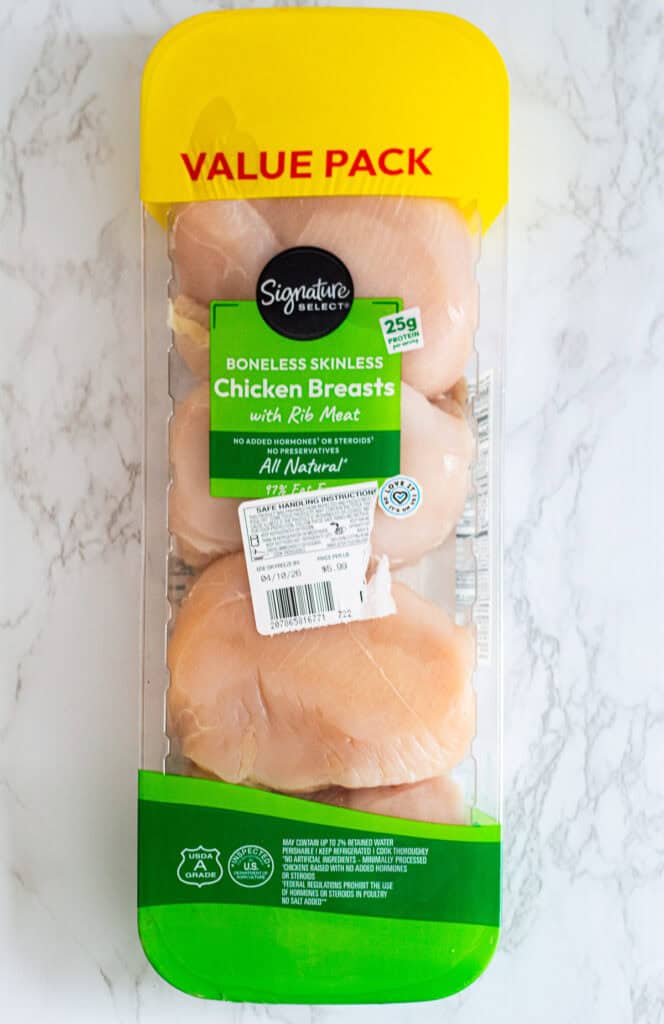
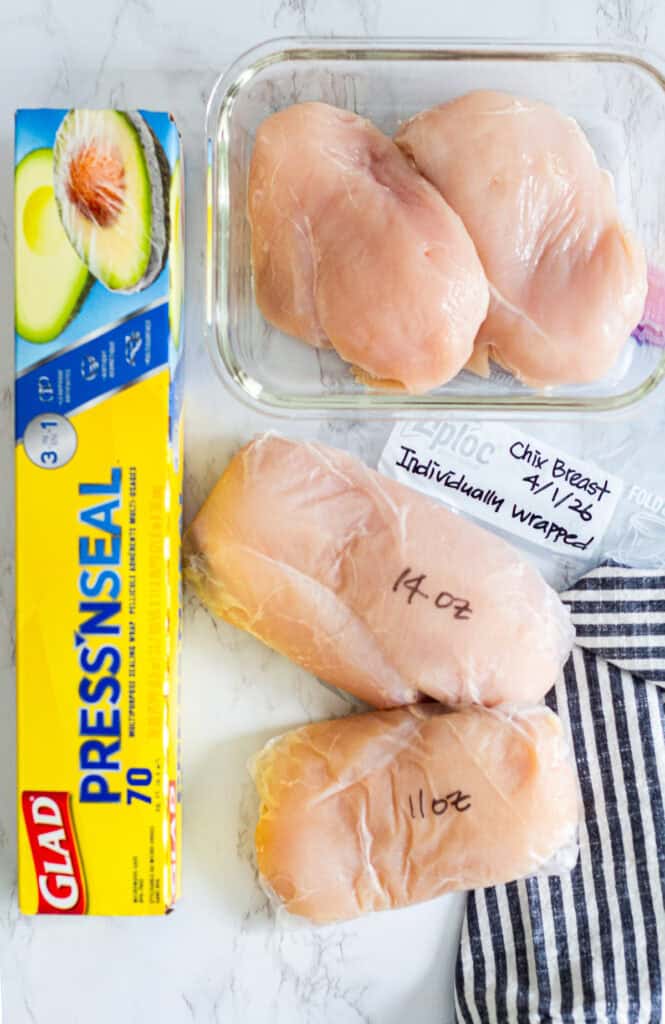
For example, I’ll split a pack of chicken thighs into smaller portions so I can cook just what I need without defrosting everything at once.
I do the same with things like tortillas. When I’m making wraps or quesadillas, I only need a couple, but they’re sold in much larger packs. I divide them into small portions for each meal and freeze the rest so I can pull out just what I need.
When I freeze portions, I label them with the ingredient, date, and weight. It’s especially helpful for things like ground meat so I know exactly how much I’m using later.
For fish, I usually buy individually frozen fillets because it’s easier. But when I buy fresh fish, I portion and wrap each piece myself before freezing.
Taking a few minutes to do this right after shopping makes the rest of the week much easier.
During the week: Follow the 48-hour rule for fresh ingredients
One of the biggest reasons food goes to waste is simply forgetting about it. Things get pushed to the back of the fridge and sit there longer than you think.
A habit I follow is what I call the 48-hour rule.
Within about two days of grocery shopping, I take a quick look through the fridge and decide what I’m going to do with what’s left. That usually means one of three things:
- Cook it in a planned meal
- Use it in something else
- Freeze it if I won’t use it soon
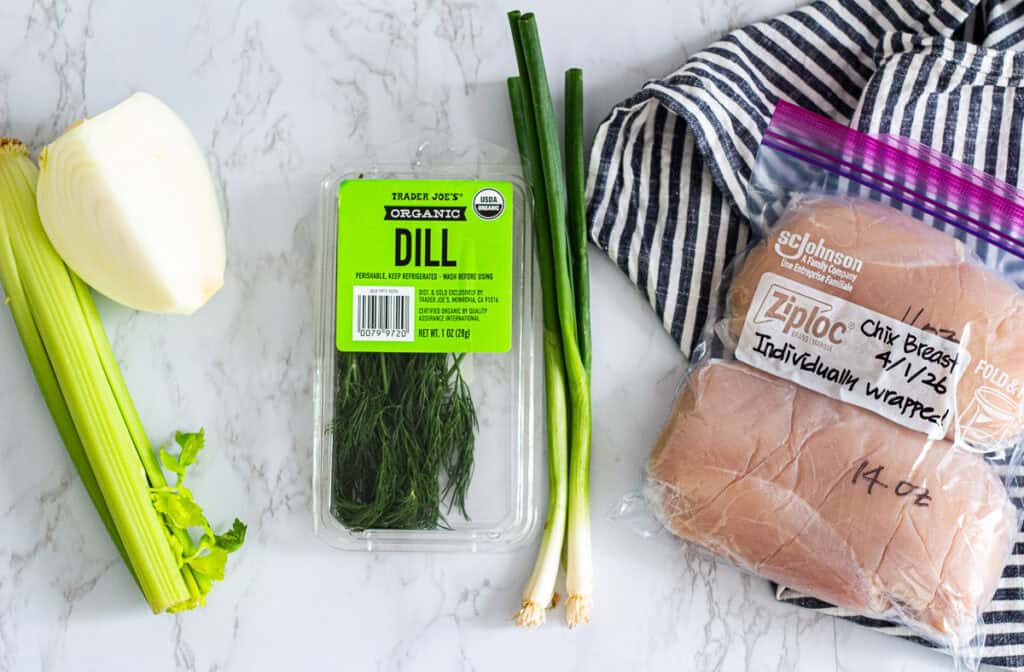
This comes up a lot when you only use part of something, like half a bunch of herbs or part of a vegetable. I’ll add the rest to a soup, stir fry, or even a quick omelet later in the week. If I know I won’t get to something in time, especially protein, I portion it and freeze it.
It’s a quick check, but it keeps things from sitting too long and helps me actually use what I bought.
Key Takeaways for Grocery Shopping for Two
- Plan two meals from one ingredient so leftovers don’t go to waste
- Buy smaller quantities when possible, especially loose produce
- Use store sections that let you buy what you need
- Portion larger packages right away so they are ready to use
- Check your fridge within 48 hours and decide what to cook, freeze, or use up
A few simple habits can make a big difference in how you shop, cook, and use what you buy.
Cooking for two isn’t about restriction. It’s about intention.
My portion guide breaks down simple, practical amounts for rice, pasta, protein, and vegetables so you don't have to guess. And my weekly meal planning system shows how I build flexible meals for two without overbuying or wasting ingredients.
If you want to see how all of these pieces come together, you can explore my Cooking for Two page, where everything is organized in one place.
You can also download my No-Waste Portion Guide below, where I walk through the full system I use to decide what to cook, shop smarter, and actually use what I buy.
Share your thoughts below!