
Wondering how much food to cook per person? This simple portion guide covers rice, pasta, protein, and vegetables so you can cook for two without waste.
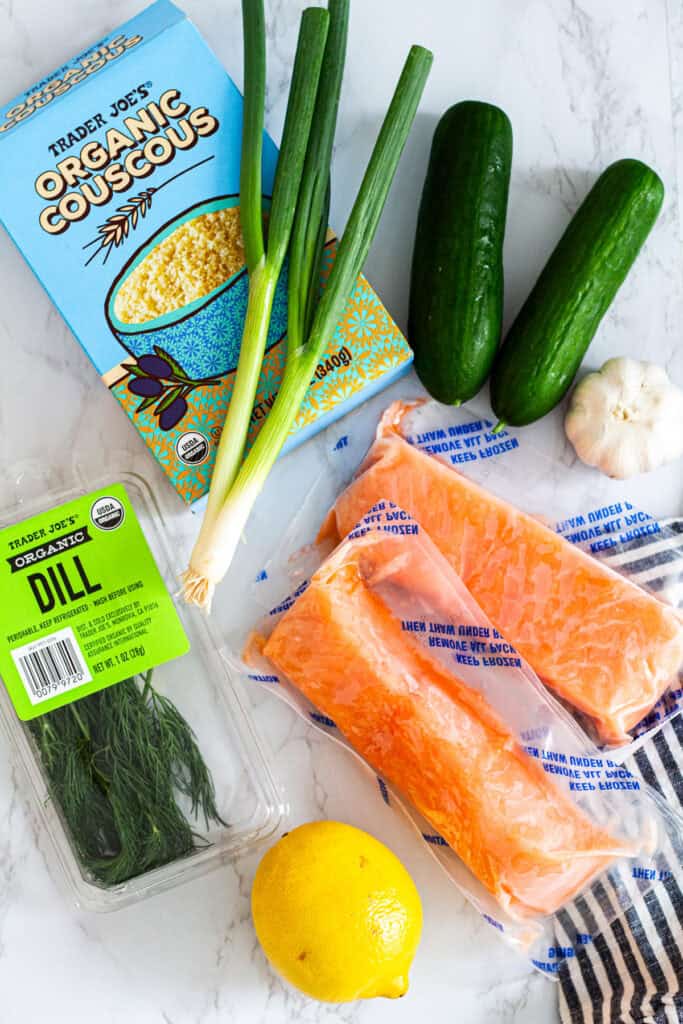
Cooking for two sounds simple, but portions can be surprisingly tricky. I can’t tell you how many times I thought, “This doesn’t seem like enough… let’s cook more,” especially with pasta. And then we’d end up with way too much.
It took some trial and error to find portions that actually work. This guide is based on what I use in my own kitchen to keep things practical and reduce waste, but you can always adjust based on your appetite and how you like to cook.
Quick Portion Guide: How Much Food Per Person
| Ingredient (raw) | Portion Per Person | Portion for Two |
|---|---|---|
| Protein (Chicken, beef, pork) | 4–6 oz | 8-12 oz |
| Fish or Shrimp | 5-6 oz | 10-12 oz |
| Pasta (dry) | 2-3 oz | 4-6 oz |
| Rice or grains (uncooked) | ⅓–½ cup | ~¾ cup |
| Vegetables (most types) | ~4 oz | ~8 oz |
These ranges give you a quick starting point. Below, I break things down a bit more by starches, proteins, and vegetables.
Jump to:
Portion Guide for Starches and Grains
Starches and grains are usually the easiest to portion since you measure them before cooking. Most grains expand once cooked, some double, while others nearly triple.
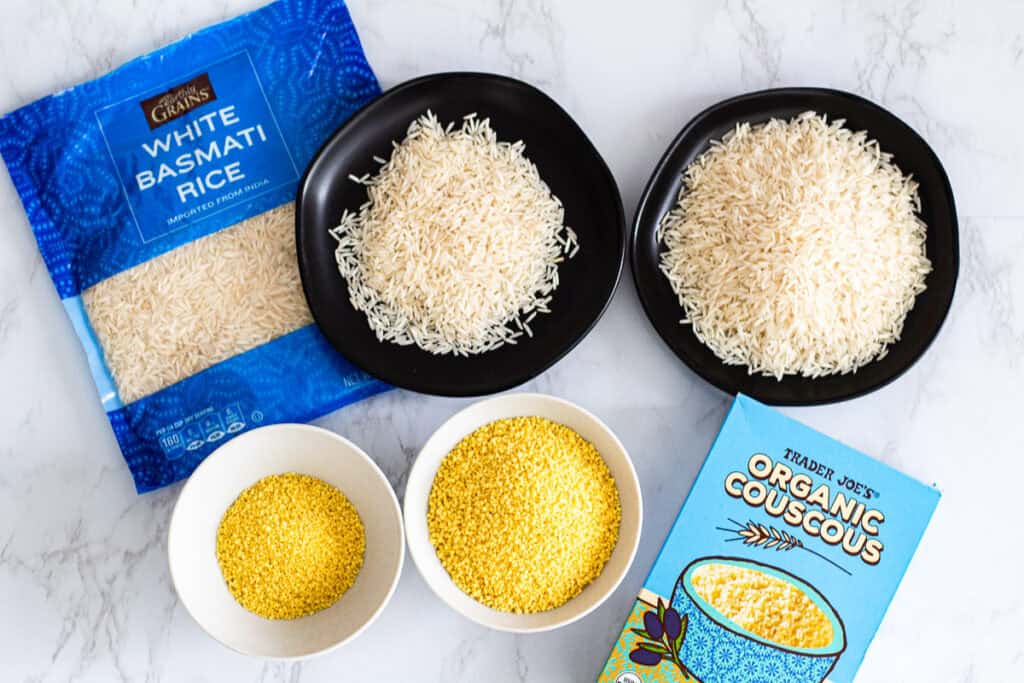
Here are the simple rules I rely on when cooking for two:
- Grain-forward meals: About 3 cups of cooked grains total when grains are the base.
Examples: quinoa fried rice, kimchi fried rice, or sushi rice. - Side dish: About 1 cup total knowing the leftover will work for another meal or quick lunch.
Examples: parmesan orzo or zucchini couscous. - Pasta and noodles: About 6 oz dry for two, which usually makes just enough for a full meal.
Examples: Korean noodle salad or summer veggie sheet pan pasta.
The table below gives a reference for specific ingredients.
| Ingredient (uncooked) | Portion Per Person | Portion for Two |
|---|---|---|
| Rice (side dish) | ⅓–½ cup | ~¾ cup |
| Rice (main dish) | ½–¾ cup | 1–1½ cups |
| Pasta (dry) | 2–3 oz | 4–6 oz |
| Rice noodles | ~3 oz | ~6 oz |
| Fresh noodles | ~3 oz | ~6 oz |
| Ravioli or tortellini | 5–6 oz | 10–12 oz |
| Farro | ~⅓ cup | ~¾ cup |
| Quinoa | ¼–⅓ cup | ½–⅔ cup |
| Couscous | ¼ cup | ½ cup |
| Orzo | ~⅓ cup | ~⅔ cup |
| Polenta (dry) | ~¼ cup | ~½ cup |
| Lentils (dry) | ~¼ cup | ~½ cup |
Portion Guide for Proteins
Protein is usually the centerpiece of the meal, so the portion depends on how you’re using it. When it’s the star of the dish, you’ll want a bit more. When it’s folded into a soup, stir-fry, or pasta, you can use less since other ingredients help fill out the meal.
| Ingredient (raw) | Portion Per Person | Portion for Two |
|---|---|---|
| Chicken, beef, or pork | 4–6 oz | 8–12 oz |
| Fish or Shrimp | 5–6 oz | 10–12 oz |
| Ground meat | ~4–6 oz | ~8–12 oz |
| Tofu | ~7 oz | ~14 oz (1 block) |
| Beans (canned) | ~½ can | ~1 can (15 oz) |
| Eggs | 2 eggs | 4 eggs |
Here are the simple ways I think about protein when cooking for two:
- Seafood (10 - 12 oz total for two):
Seafood is one of the easiest to portion since I often buy individually frozen fish or weigh out shrimp as needed.
Examples: Baked swai fish, honey old bay salmon, spicy garlic shrimp - Eggs (4 - 6 eggs for two):
Since you can count them, eggs are very straightforward to portion.
Examples: Leek and boursin frittata - Plant-based proteins (1 can or 1 block):
Beans and tofu are also easy since they’re sold in fixed amounts.
Examples: Scrambled tofu, chickpea salad - Meat (8–12 oz total for two):
This is the trickies category but I usually aim for 8 to 12 ounces for two servings, depending on the dish.
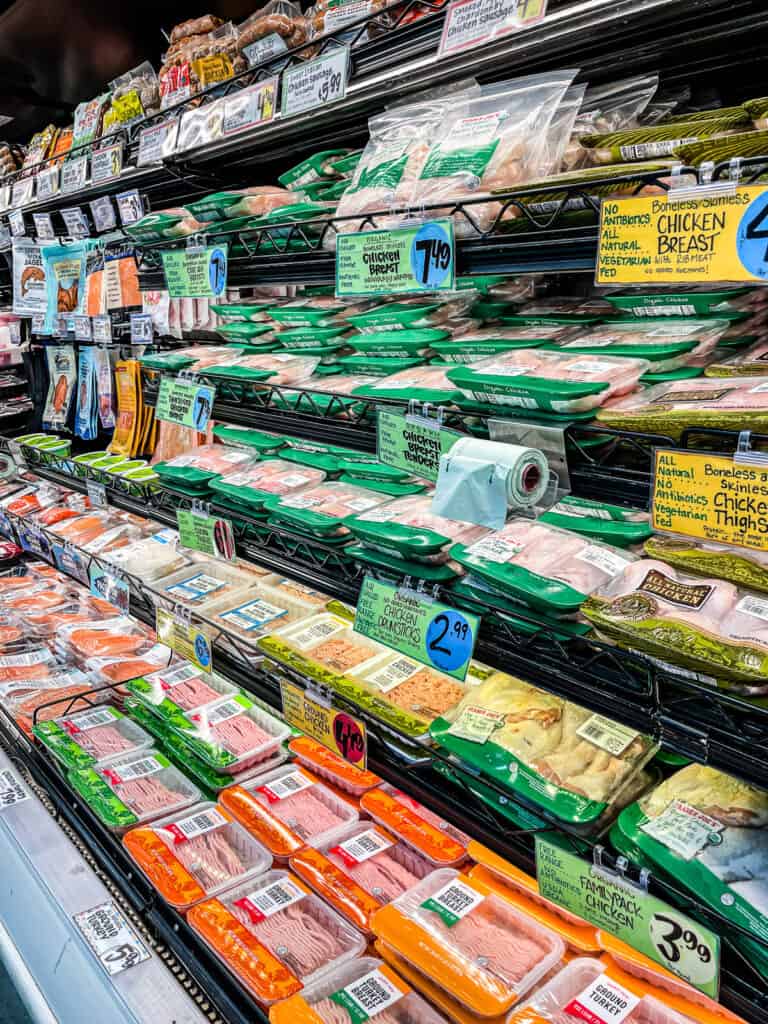
The “One-Pound” Reality
Most meat at the grocery store is sold in 1-pound packages, especially ground meat. In real life, I almost always cook the whole thing and plan for two meals.
It’s just easier, and the extra portion usually becomes lunch the next day or a quick second dinner.
The ranges above are useful guidelines, but cooking the full package and planning around leftovers is completely normal.
- Ground meat:
Examples: Greek chicken meatballs, Mini meatloaf - Sliced or whole meat:
Examples: Bulgogi, beef and broccoli, Japanese curry
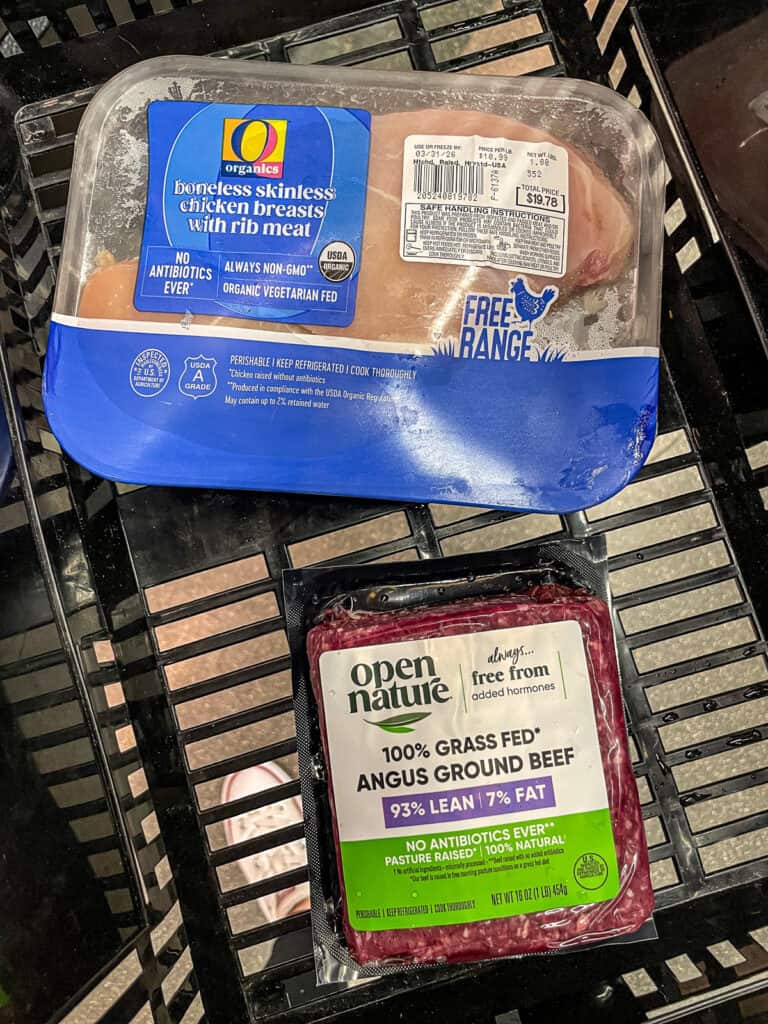
Bone-In vs. Boneless Meat
The portion ranges above are based on boneless meat. Bone-in cuts have less edible meat, so the total weight will be higher.
For example, recipes like Thanksgiving-style chicken thighs (bone-in) and air-fried teriyaki chicken thighs (boneless) might both use about 1 pound of meat, but the boneless version will have more actual servings.
Portion Guide for Vegetables
Vegetables are one of the most flexible parts of the meal, but they can also be tricky since they cook down differently. Leafy greens like spinach shrink down to almost nothing, while firmer vegetables like carrots or zucchini hold their shape.
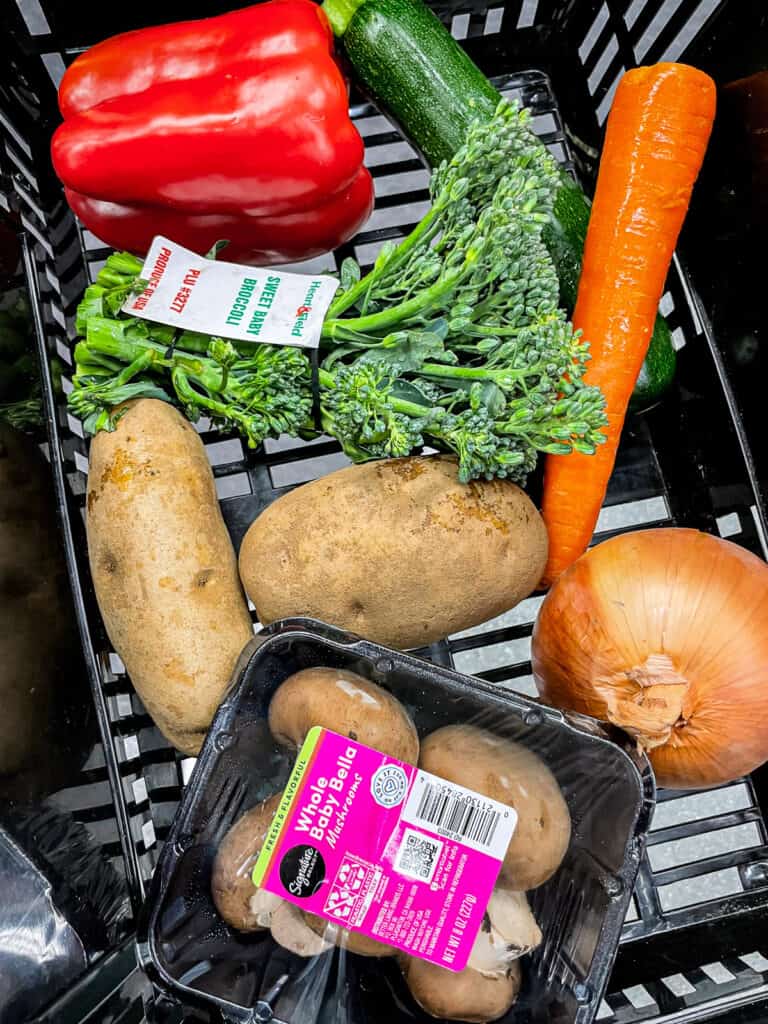
The ranges below are a helpful starting point, but here are the simple rules I follow when cooking for two:
- Cooked vegetables (about 8 oz total for two):
This is my go-to for most vegetable sides. It's enough for two without feeling heavy.
Examples: sautéed green beans, sautéed zucchini, or sautéed corn. - Hearty vegetable sides (14 - 16 oz total):
Some vegetables are more filling and often act as the main side, so you’ll want a little more. Think mashed potatoes or roasted root vegetables. - Main salads (8 – 10 oz total):
This gives you a generous, satisfying bowl without going overboard. - Side salads (4 – 6 oz total):
Just enough greens to round out the plate.
| Ingredient (raw) | Portion Per Person | Portion for Two | Practical Buying Guide |
|---|---|---|---|
| Salad greens (main salad) | 4–5 oz | 8–10 oz | One large salad kit or bag |
| Salad greens (side salad) | 2–3 oz | 4–6 oz | One 10–11 oz bag covers two side salads for two across two meals |
| Spinach (raw salad) | 2–3 oz | 4–6 oz | One small bag |
| Spinach (cooked) | 5–6 oz | 10–12 oz | One large bag or two small bags |
| Asparagus | ~4 oz | ~8 oz | About half a bunch |
| Green beans | ~4 oz | ~8 oz | About half a bag |
| Broccoli | ~4 oz | ~8 oz | One small head |
| Brussels sprouts | ~4 oz | ~8 oz | About half a bag |
| Mushrooms | ~4 oz | ~8 oz | One package |
| Carrots | ~3–4 oz | ~6–8 oz | About 3–4 medium carrots |
| Cucumber | ~4 oz | ~8 oz | 1 English cucumber or 3–4 Persian cucumbers |
| Potato | 6-8 oz | 12-16 oz | 2 medium |
| Winter squash | ~12 oz | ~1½ lb | A small squash or half of a large squash |
Quick Portion Reference Table
If you just want a quick reminder, here’s a simple table to make things easier.
| Ingredient | Portion Per Person | Portion for Two |
|---|---|---|
| Rice (side dish) | ⅓–½ cup | ~¾ cup |
| Rice (main dish) | ½–¾ cup | 1–1½ cups |
| Pasta (dry) | 2–3 oz | 4–6 oz |
| Other grains | ¼–⅓ cup | ½–¾ cup |
| Protein (chicken, beef, pork) | 4–6 oz | 8–12 oz |
| Fish or shrimp | 5–6 oz | 10–12 oz |
| Eggs | 2 eggs | 4 eggs |
| Tofu | ~7 oz | ~14 oz (1 block) |
| Beans (canned) | ~½ can | ~1 can (15 oz) |
| Vegetables (most varieties) | ~3–5 oz | ~6–10 oz |
| Leafy greens (raw salad) | 2–3 oz | 4–6 oz |
| Leafy greens (cooked) | 5–6 oz | 10–12 oz |
Portion sizes don’t have to be perfect. Once you get a feel for these ranges, it becomes much easier to decide how much to cook without overthinking it.
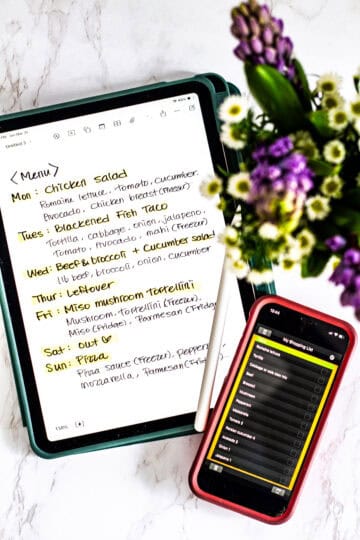
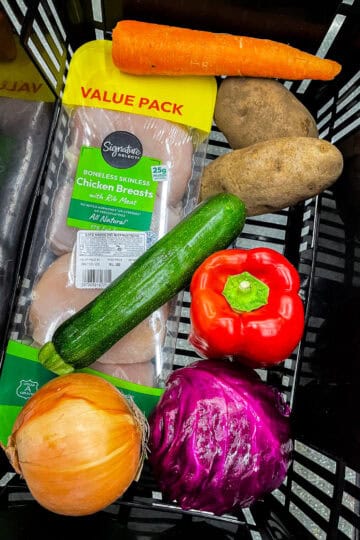
To see how this works in real life, check out my [Smart Grocery Shopping for Two] and [Weekly Menu Planning System for Two], where I walk through how I shop and plan meals for two. With a little practice, cooking for two starts to feel simple and a lot less wasteful.
If you want to see how all of this fits together, you can explore my Cooking for Two page, where I bring together the key guides, tools, and recipes in one place.
For a quick version you can keep on hand, you can grab my free guide below.
Share your thoughts below!