
Meal planning for two with a flexible system that helps you plan smarter, reduce food waste, and keep your weekly meals balanced.
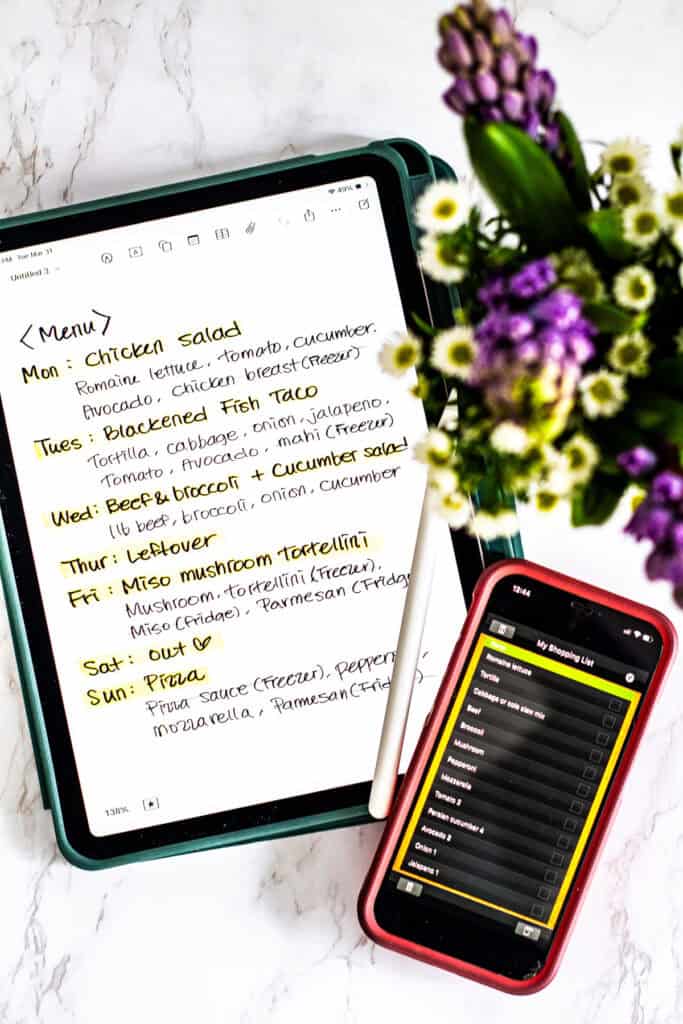
How to Meal Plan for Two
- Start with go-to meals: Keep a short list of meals you actually enjoy so you’re not deciding from scratch every week
- Plan for variety: Rotate proteins, cuisines, and meal types so you don’t eat the same thing over and over
- Plan around real life: Match meals to your schedule, energy, and use fresh ingredients first while they’re at their best
- Build in flexibility: Leave room for leftovers and keep easy backup meals on hand for busy or unpredictable days
Why This System Works for Me
“I don’t know what to cook… didn’t we just have that? And why is this zucchini still here?”
After years of cooking for two, I realized meal planning works best when it’s flexible. Instead of rigid schedules, I focus on variety, ingredient reuse, and realistic meals that fit real life.
Jump to:
Build Your Go-To Meal List
The first step is having a short list of meals you actually enjoy, both eating and making. This becomes your starting point every time you sit down to plan.
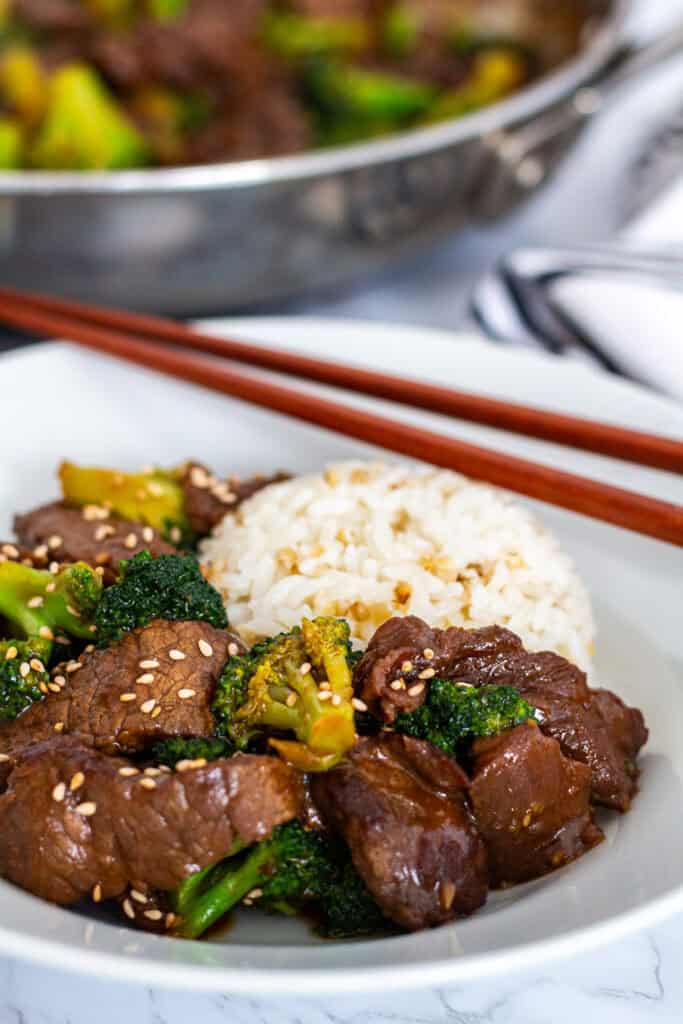
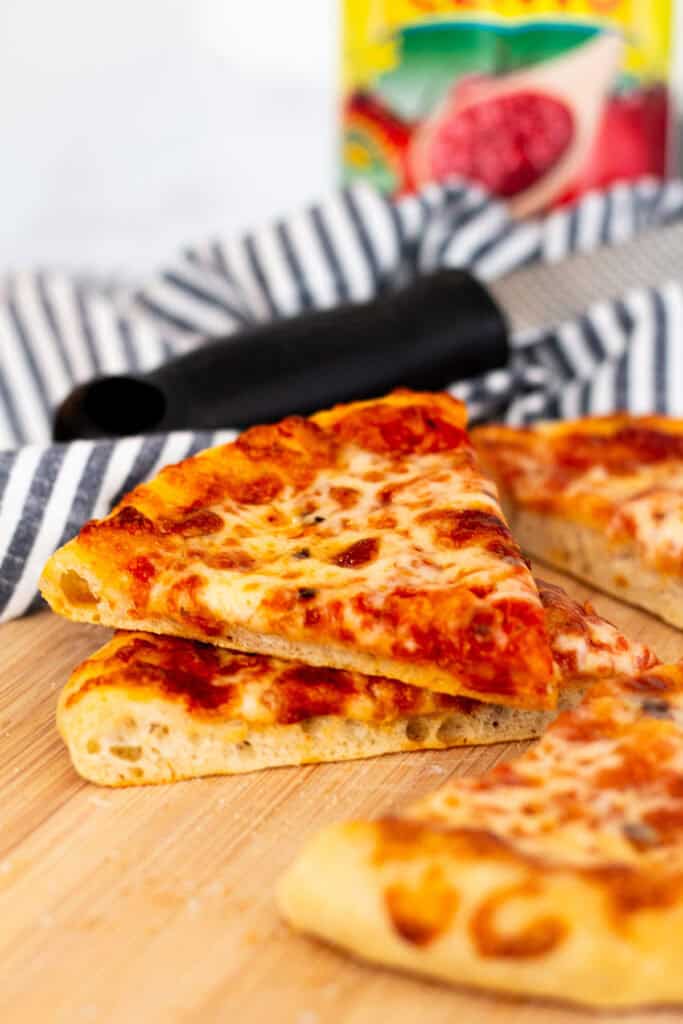
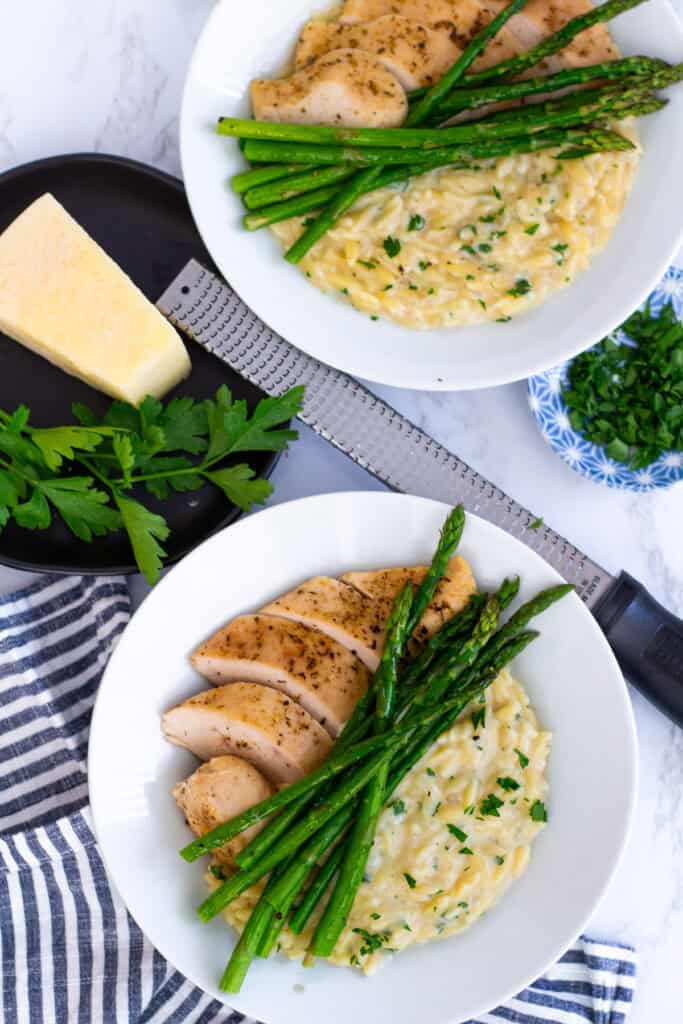
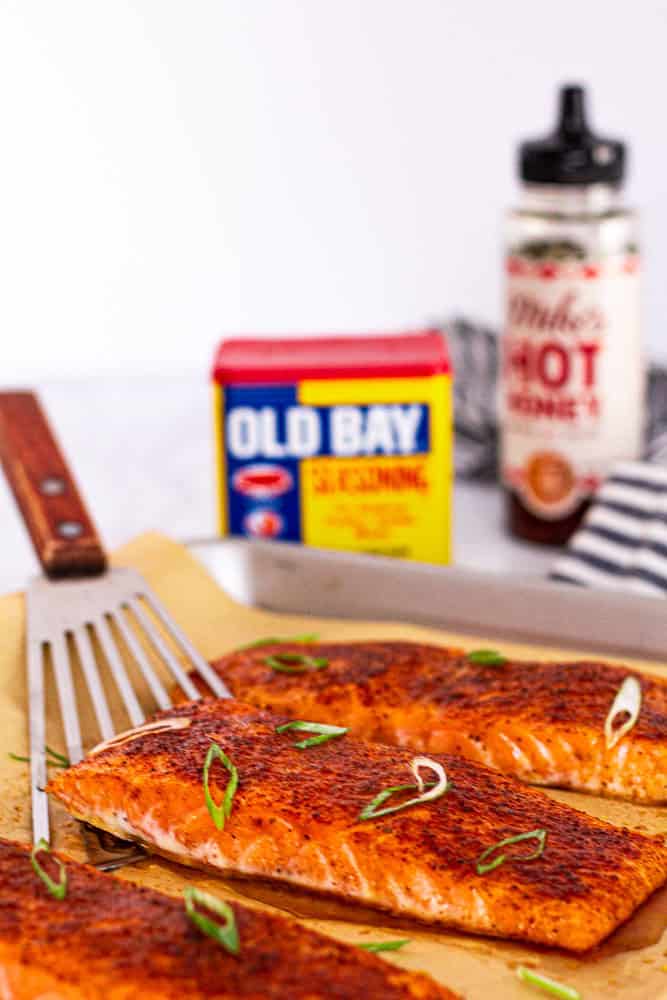
Most recipes are written for four or more, but instead of worrying about cutting everything in half, I build my list around meals that naturally work well for two. I also refer to my portion guide when deciding how much protein, rice, or pasta we actually need.
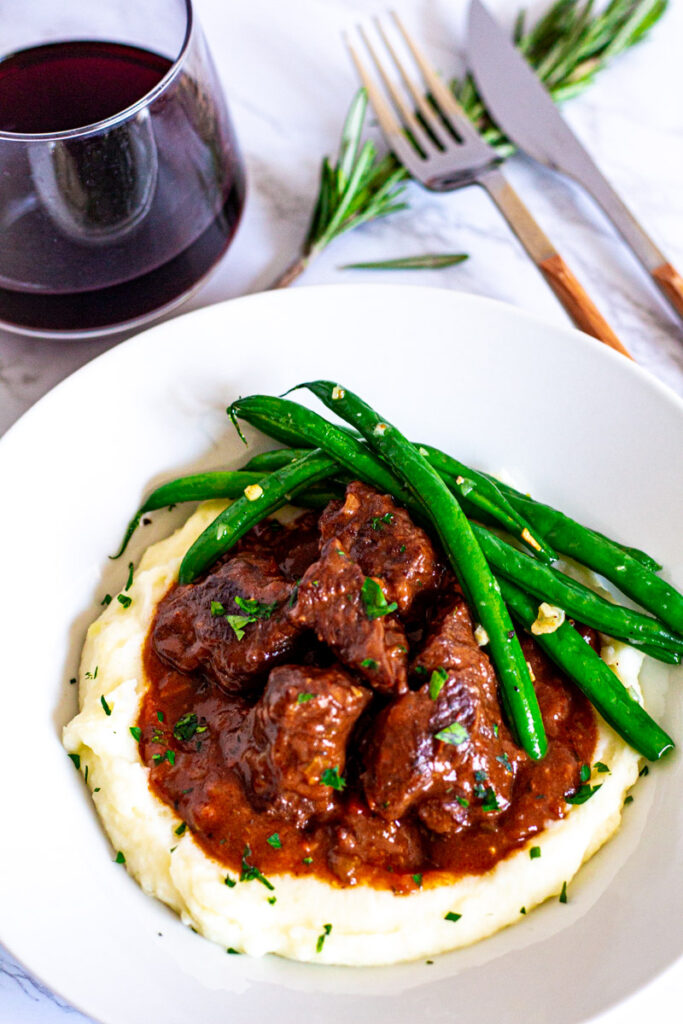
My list usually has about 15 to 20 meals. Some are specific recipes like beef and broccoli, hot-honey Old Bay salmon, or Detroit-style pizza. Others are more flexible, like fried rice, frittatas, or focaccia sandwiches that I can adapt based on what's already in the fridge. Having that list takes a lot of the guesswork out of planning, and honestly, a lot of the pressure too.
The Variety System
To keep meals interesting, I plan for variety each week, not by overthinking it, but by using a few simple categories as a guide and building from what I already have.
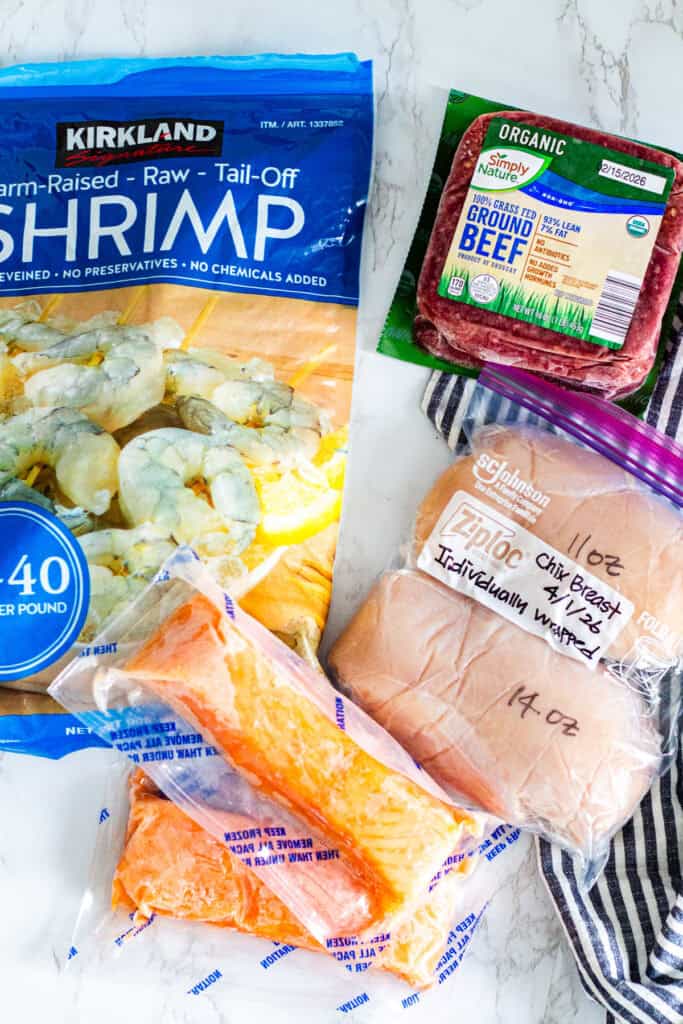
Protein
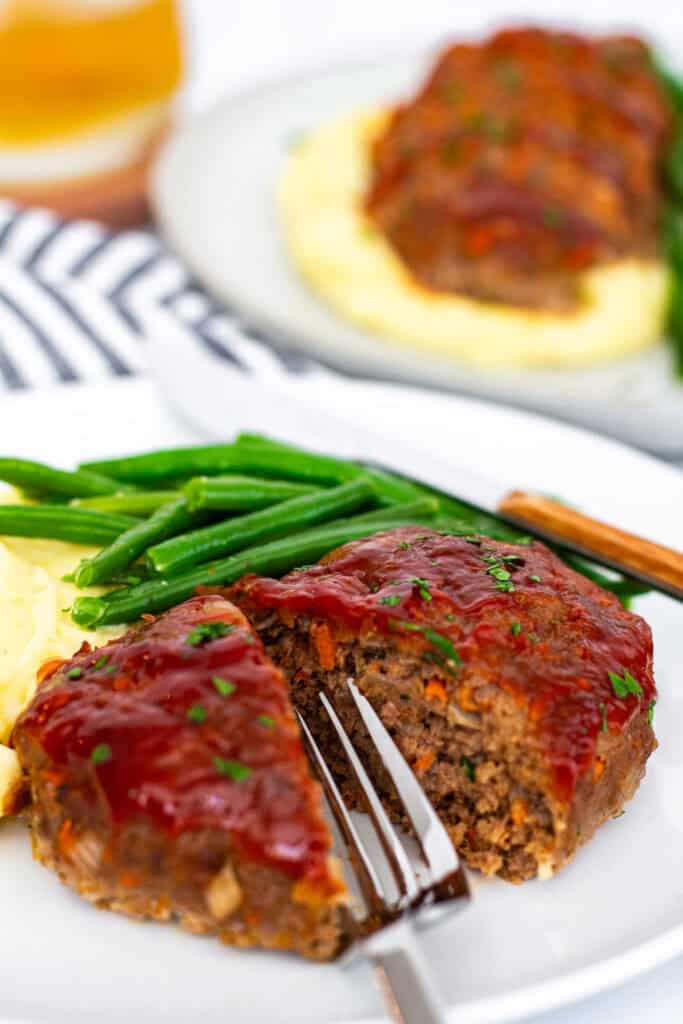
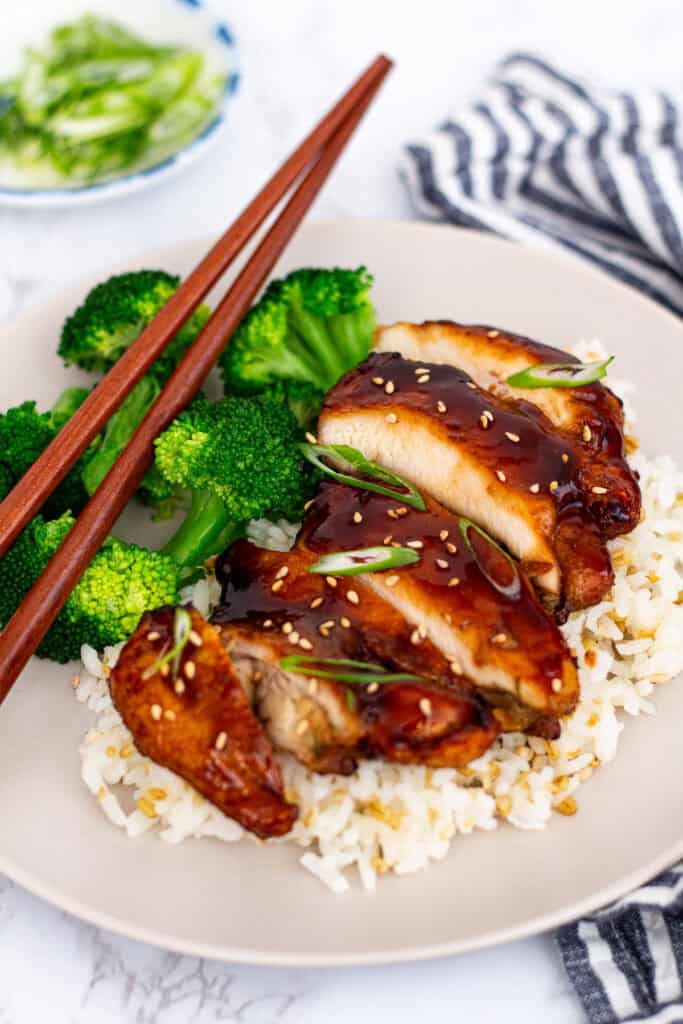
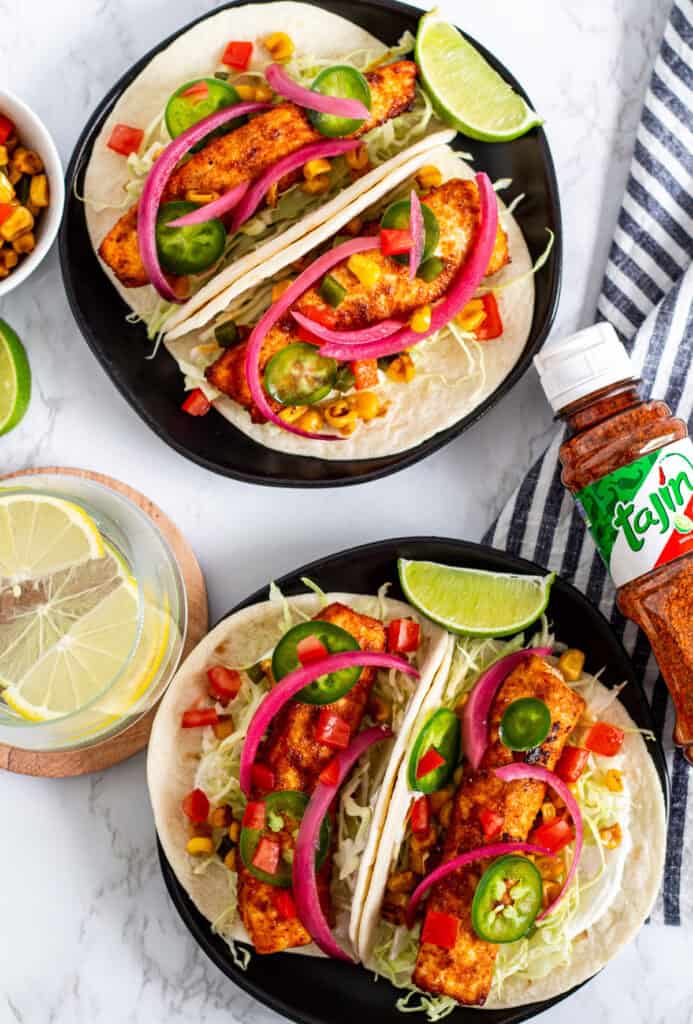
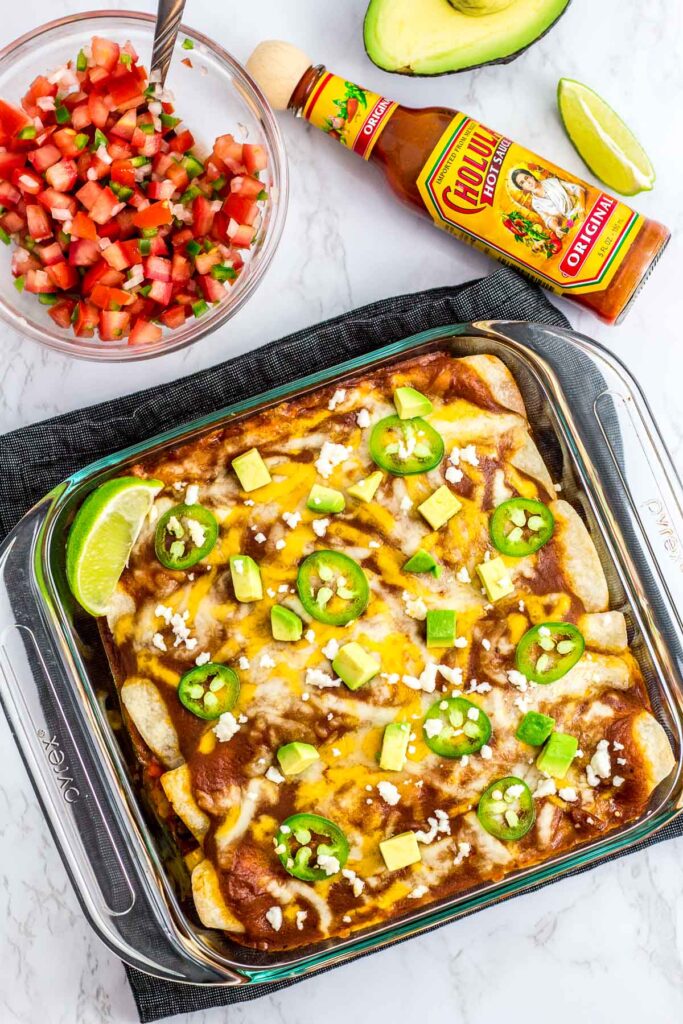
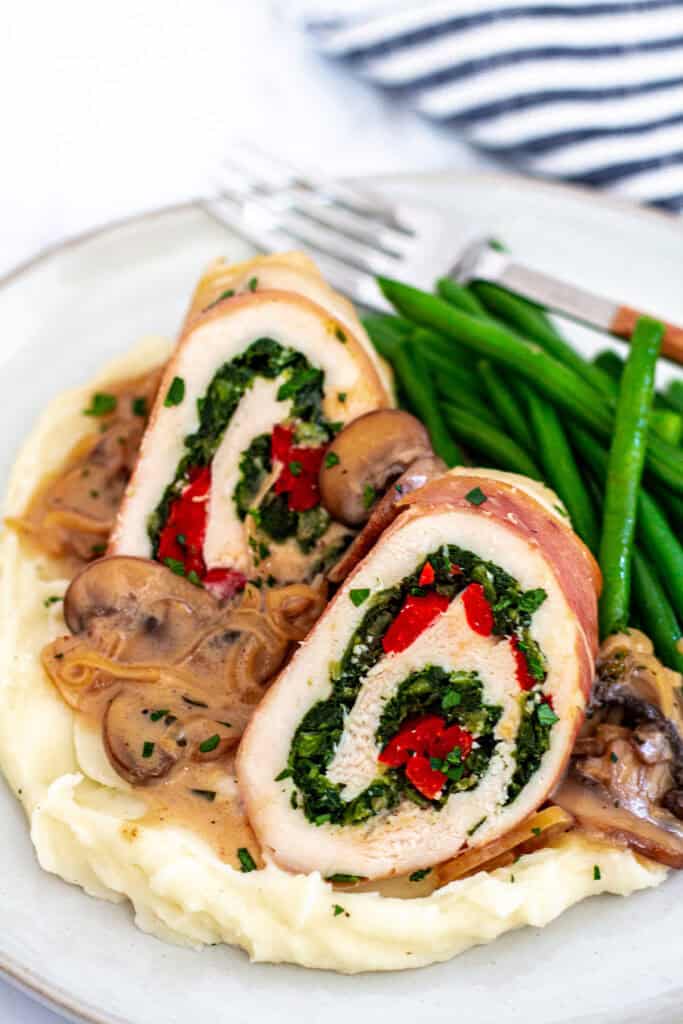
I usually start with whatever protein I already have in the fridge or freezer and build from there. Ground beef might turn into mini meatloaf. Chicken becomes teriyaki chicken thighs. Having a flexible starting point makes the whole process feel a lot easier.
Cuisine
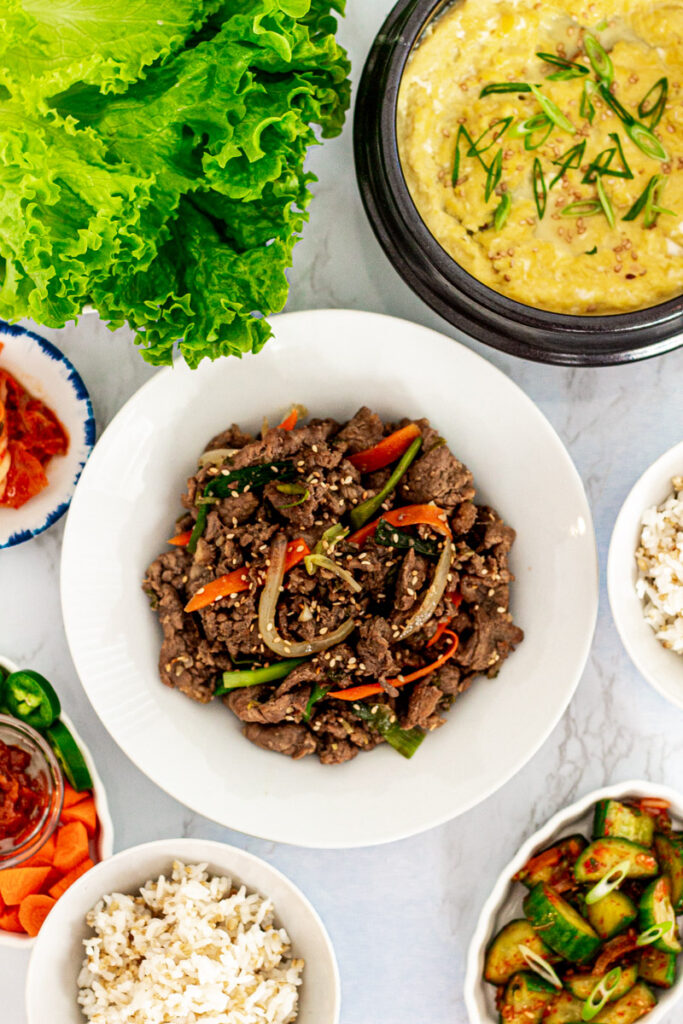
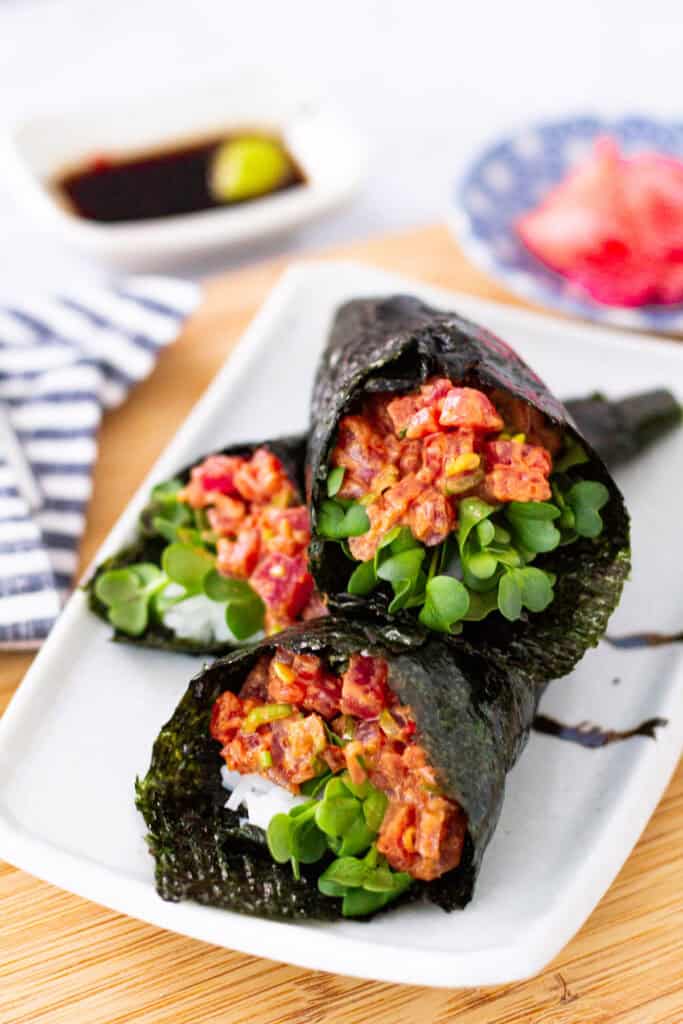
I also like rotating cuisines throughout the week so meals don't start to feel repetitive. Some nights lean Korean or Japanese, others are more Mediterranean, and some are just classic comfort food. A little variety goes a long way.
Type of Meal
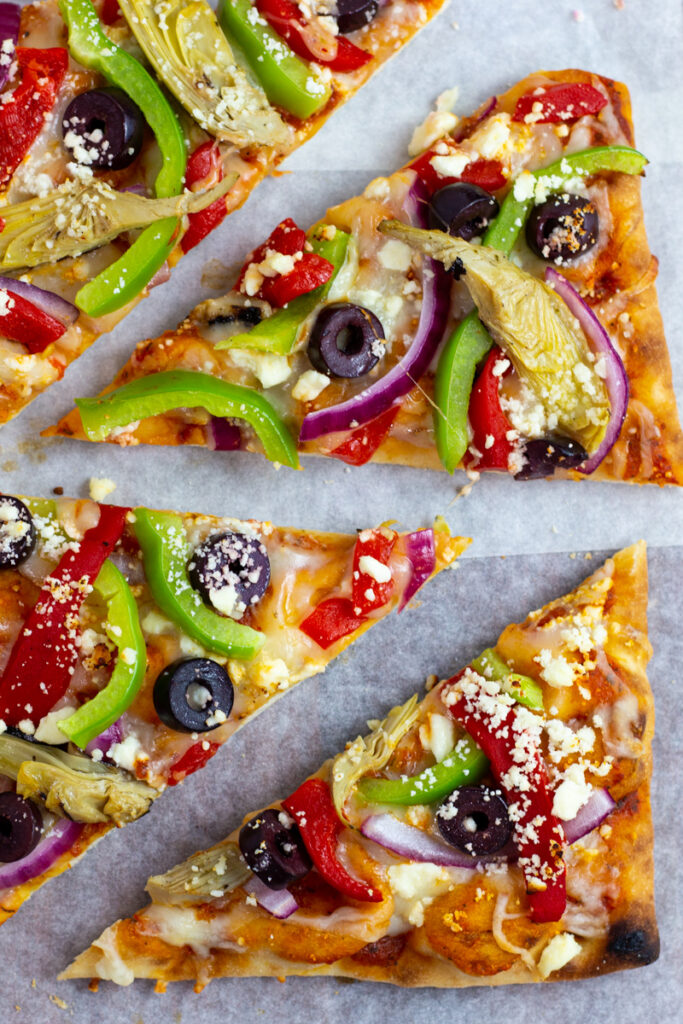
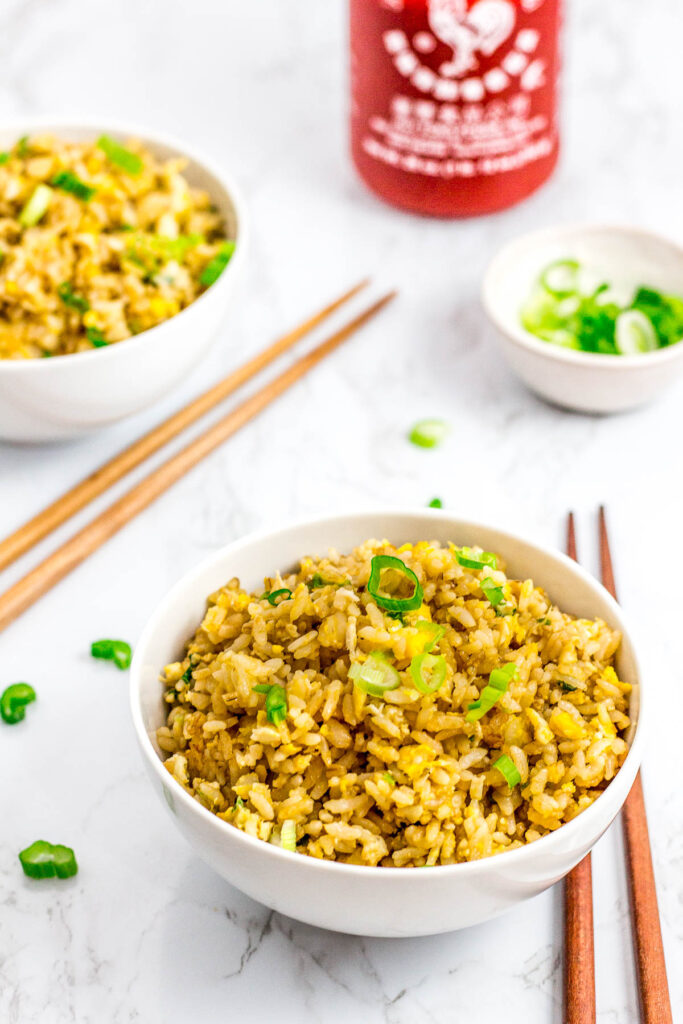
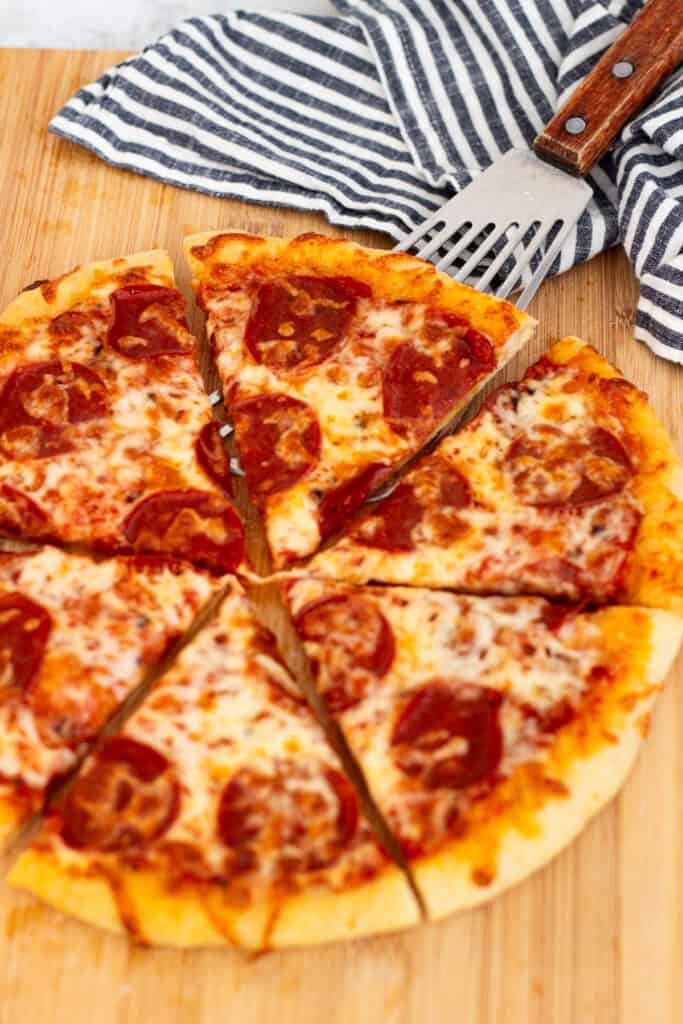
I mix up the meal format too. Some nights call for rice dishes like egg fried rice, while others might be pasta, sandwiches, salads, or pizza, depending on the season and honestly, how much energy I have that day.
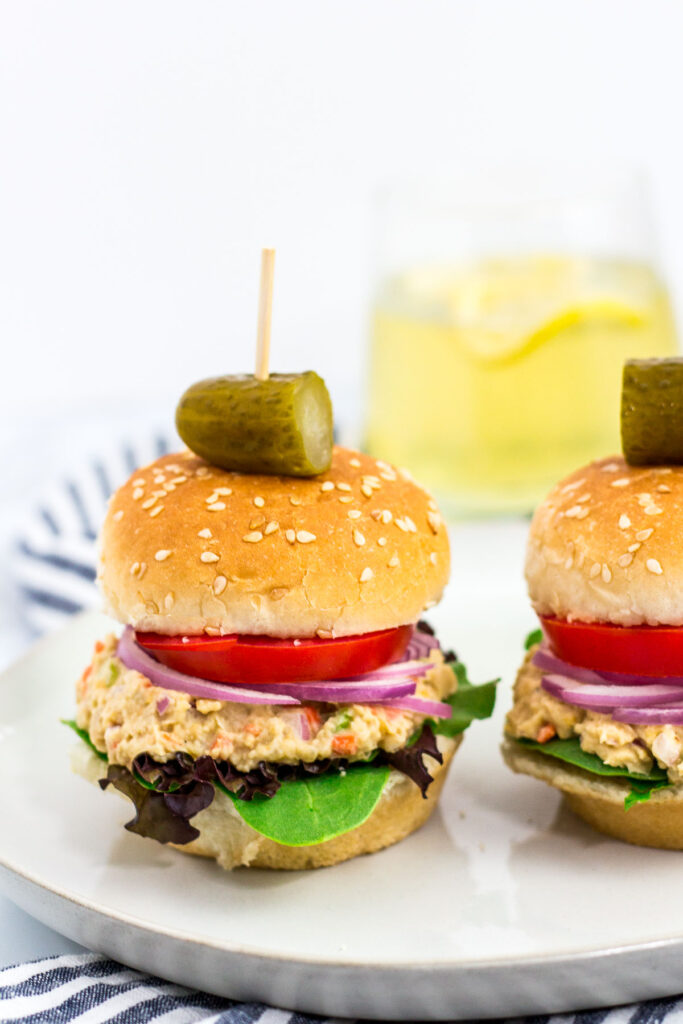
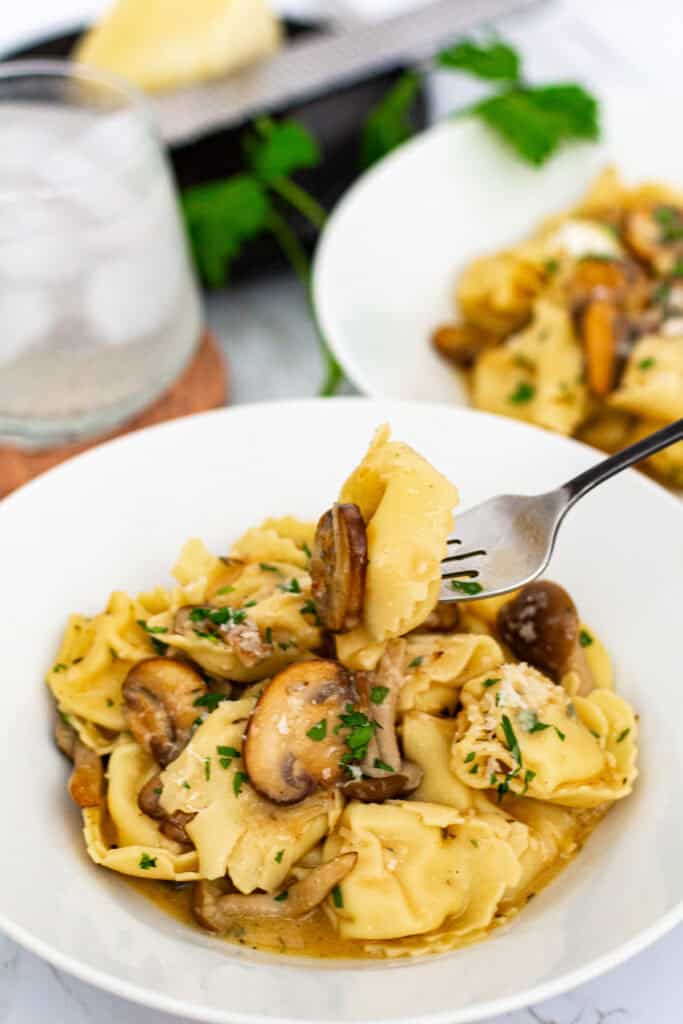
Together, these three categories make meal planning feel flexible without becoming a whole project.
Plan Around Real Life
Once I've chosen a few meals, I arrange them based on my schedule, energy, and how well the ingredients keep.
- Schedule: I look at my week and plan meals around how busy each day is. Busier days get simpler meals, no question.
- Energy: I save more involved meals for earlier in the week or the weekend when I have more bandwidth. By Thursday or Friday, I'm usually reaching for easier meals.
- How well ingredients keep: Fresh herbs, seafood, and delicate produce go earlier in the week. Hardier ingredients can wait.
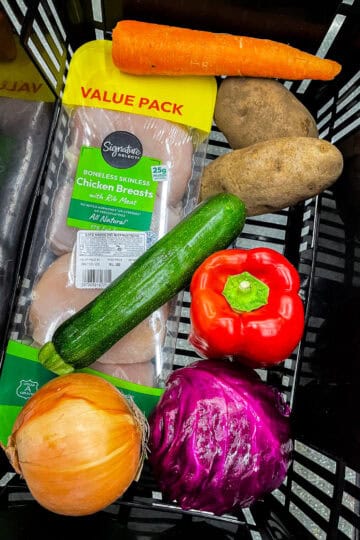
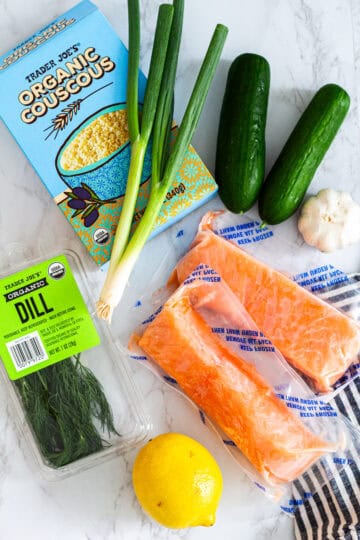
If I buy a bunch of herbs or a vegetable I don't use often, I'll plan two or three meals that use them so nothing gets forgotten in the back of the fridge. It's one of the easiest ways to cut down on food waste, and when you're cooking for two, even small amounts add up faster than you'd think.
Build in Flexibility
Even with a solid plan, life happens. That's why I always leave a little room for flexibility.
Leftover Day
Cooking for two naturally turns into a "cook once, enjoy twice" situation, and honestly, I've learned to embrace it. I usually leave at least one day open for leftovers. Sometimes we eat the same meal again, other times we mix and match whatever's in the fridge for an easy, low-effort dinner.
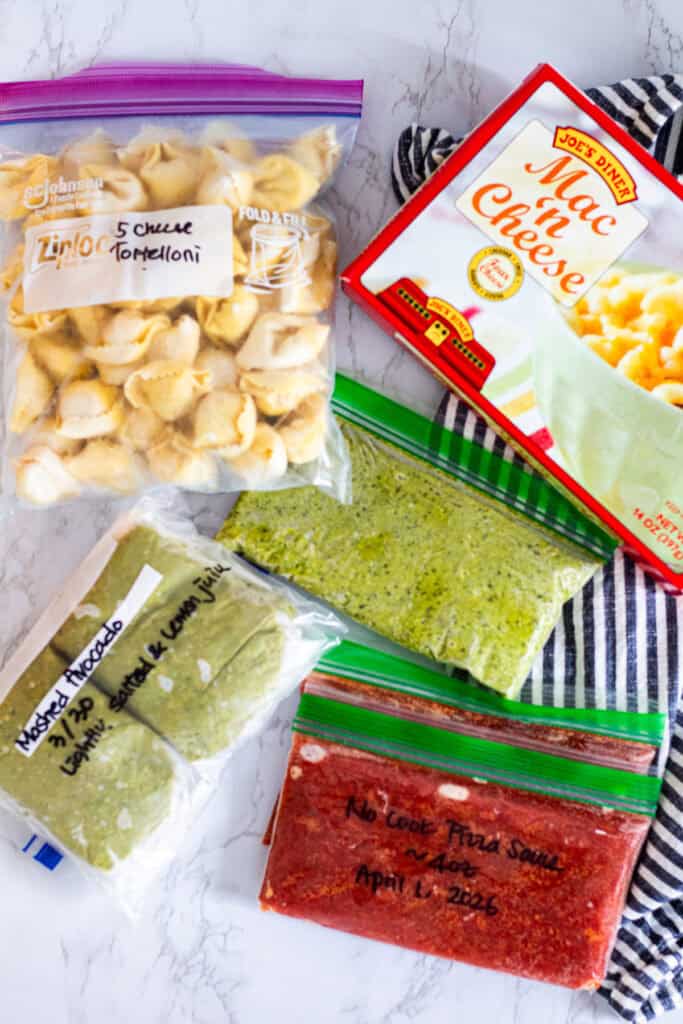
Freezer-Friendly Meals
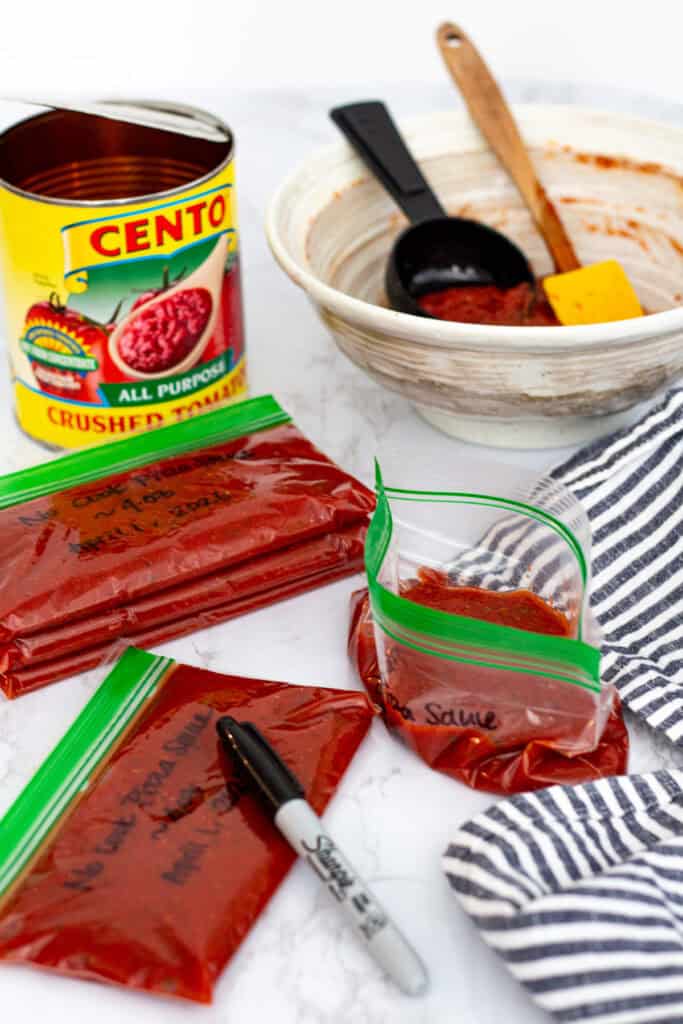
I also like keeping a few freezer-friendly meals on hand for busy weeks. Things like beef bourguignon, butternut squash bisque, mini meatloaf, pizza dough, and homemade focaccia are lifesavers when I don't feel like cooking from scratch.

Store-Bought Backup Plan
And I don't think there's anything wrong with having a few store-bought options in your back pocket either. Costco rotisserie chicken and salmon burgers, Trader Joe's Middle Eastern Beef Kababs and mandarin orange chicken, and Aldi breaded chicken fillets are some of my go-to picks for busy or unpredictable days.
Having this flexibility makes meal planning feel much more realistic and sustainable long-term.
Example Weekly Menus
Here are two simple examples of how this system might look in a real week, depending on the season.
Warm Weather Example
- Monday: Shrimp and zucchini couscous
- Tuesday: Soy sauce noodle salad
- Wednesday: Air fryer vegetables and sandwich (using leftover zucchini and vegetables)
- Thursday: Fried goat cheese salad (using leftover vegetables and bread)
- Friday: Blackened mahi mahi fish tacos
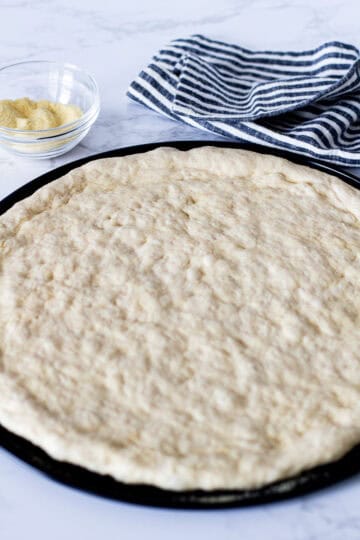
- Saturday: Pizza night with homemade dough
- Sunday: Leftovers, a quick frozen meal, or eating out
You can see how this mixes different cuisines and meal types, along with ingredients like zucchini and vegetables from the noodle salad used across multiple meals to reduce waste.
Cold Weather Example
- Monday: Meatloaf, mashed potatoes, and green beans
- Tuesday: Butternut squash bisque with toast
- Wednesday: Japanese beef curry with cucumber salad and rice
- Thursday: Leftover day
- Friday: Spicy miso dumpling noodle soup
- Saturday: Cajun shrimp and sausage stew with leftover rice
- Sunday: Leftovers or a simple meal
This example leans more toward comfort meals, with a balance of proteins and a built-in leftover day to keep things flexible.
A Quick 5-Minute Meal Planning Checklist
- Inventory check: What needs to be used first? Start with what’s already in your fridge
- Energy check: Which days will be busy? Plan easy meals for those days
- Protein starting point: Choose 2–3 proteins and build meals around them
- Use fresh ingredients early: Cook delicate ingredients at the beginning of the week
- Leave room for flexibility: Plan 4–5 meals, not every single day
Here’s a quick way to make this system easy to follow:
- Learn how to shop more intentionally with my Smart Grocery Shopping for Two guide
- Use the Perfect Portion Guide as a simple reference so you are not guessing how much to cook
Meal planning doesn’t have to be rigid or complicated. Once you have a system, it becomes much easier to cook with more variety, use what you already have, and waste less without overthinking it.
To see the full system in one place, you can explore my Cooking for Two page, where I bring together guides, tools, and recipes designed for smaller households.
For a quick version to keep on hand, you can download my No-Waste Portion Guide below.
Share your thoughts below!