
Wondering what you need to cook Japanese food at home? Here are the 10 essential Japanese pantry items I keep stocked for simple, flavorful meals anytime.
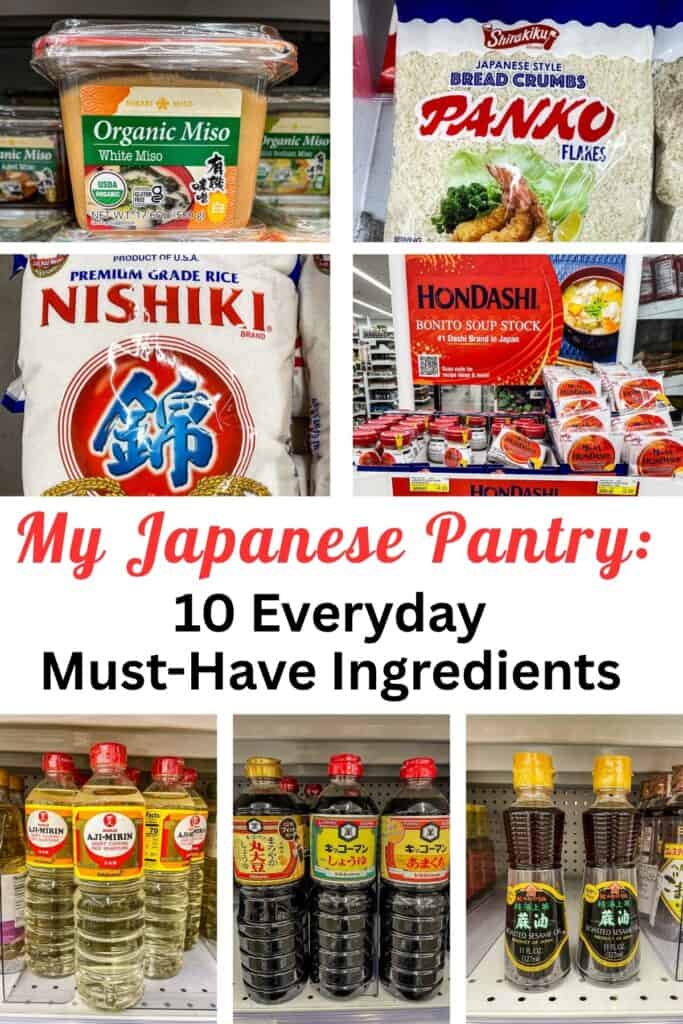
My husband and I both love Japanese food, so it’s something I find myself cooking at home often. I don’t have the same lifelong familiarity with it as I do with Korean cuisine, but over time, I’ve learned which ingredients make it easy to bring those comforting flavors to our table.
These are the staples I keep in my pantry for Japanese-inspired meals — nothing complicated, just what I actually use week to week. I hope this list helps you stock your own kitchen and makes cooking Japanese-style dishes feel a little easier and more approachable.
Jump to:
- 1. Soy Sauce - Japanese Soy Sauce
- 2. Miso Paste (Fermented Soybean Paste)
- 3. Dashi - Japanese Soup Stock
- 4. Mirin - Sweet Cooking Rice Wine
- 5. Sake - Japanese Cooking Rice Wine
- 6. Rice Vinegar
- 7. Toasted Sesame Oil
- 8. Nori - Roasted Seaweed Sheets
- 9. Panko - Japanese Breadcrumbs
- 10. Sushi Rice - Japanese Short-Grain Rice
- Where I buy these ingredients
- Beyond the Pantry - Fresh Essentials
- My Go-To Sources for Everyday Japanese Cooking
1. Soy Sauce - Japanese Soy Sauce
What it is:
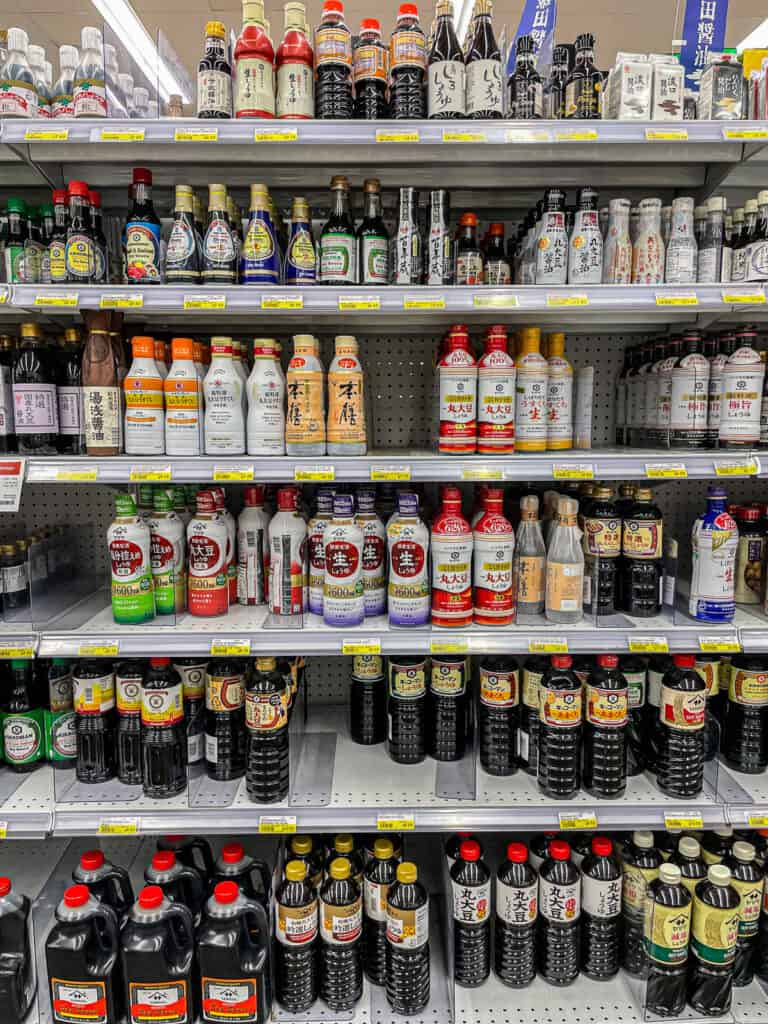
A savory, umami-rich sauce made from fermented soybeans, wheat, salt, and water. It’s a foundational ingredient in Japanese cooking, known for its balanced flavor and subtle sweetness.
Quick comparision:
Japanese soy sauce (shoyu) is known for its balanced and slightly sweeter note than others.
- Korean soy sauce (ganjang) is often a bit saltier and darker in color than Japanese soy sauce. It comes in different types depending on the dish - such as soup soy sauce (guk-ganjang) or seasoning soy sauce (yangjo-ganjang).
- Chinese soy sauce (jiangyou) is usually bolder and saltier, with light soy sauce for flavor and dark soy sauce for depth and color.
How I use it:
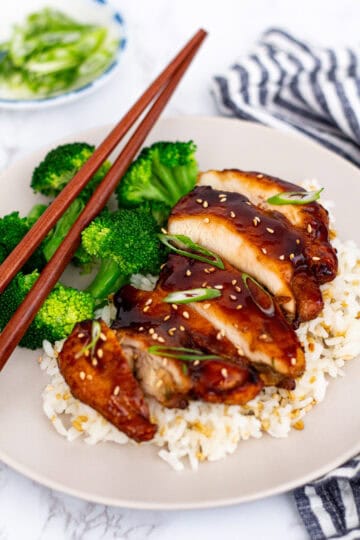
- Combine with mirin and sugar for a quick teriyaki-style glaze (like my teriyaki tofu or my air fryer teriyaki chicken)
- Add a splash to soups, noodles, stir-fries, or dipping sauces
Tip:
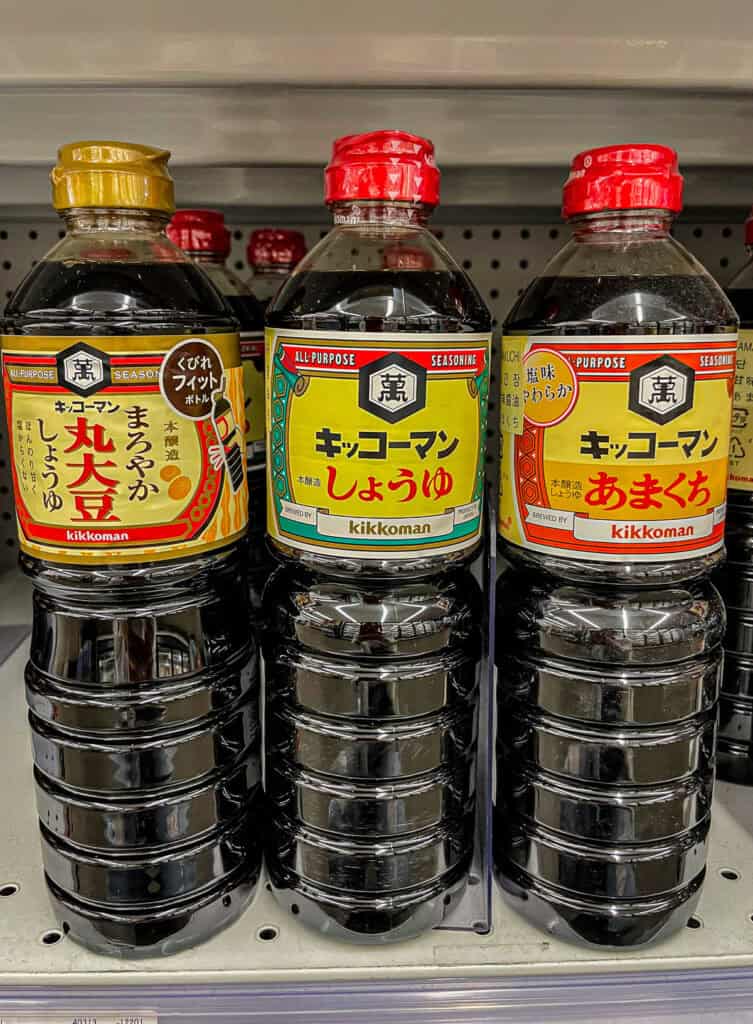
- Look for all-purpose soy sauce (koikuchi) - most bottles will say “All-Purpose Soy Sauce” in English, even if the rest of the label is in Japanese. If you already have soy sauce at home (whether Korean or Chinese), you usually don’t need to buy a new one unless the recipe specifically calls for something like shiro (white soy sauce) or tamari. If the recipe just says “soy sauce,” it typically means all-purpose.
- To keep it fresh, store it tightly sealed in a cool, dark place - or in the fridge after opening to preserve its best flavor.
2. Miso Paste (Fermented Soybean Paste)
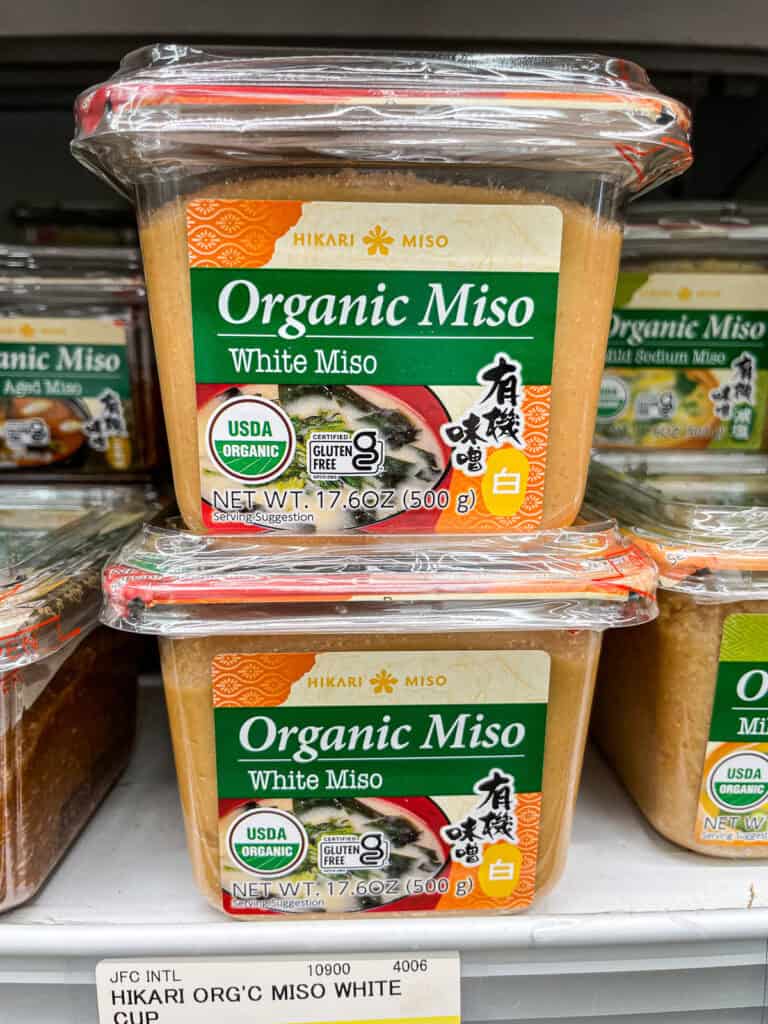
What it is:
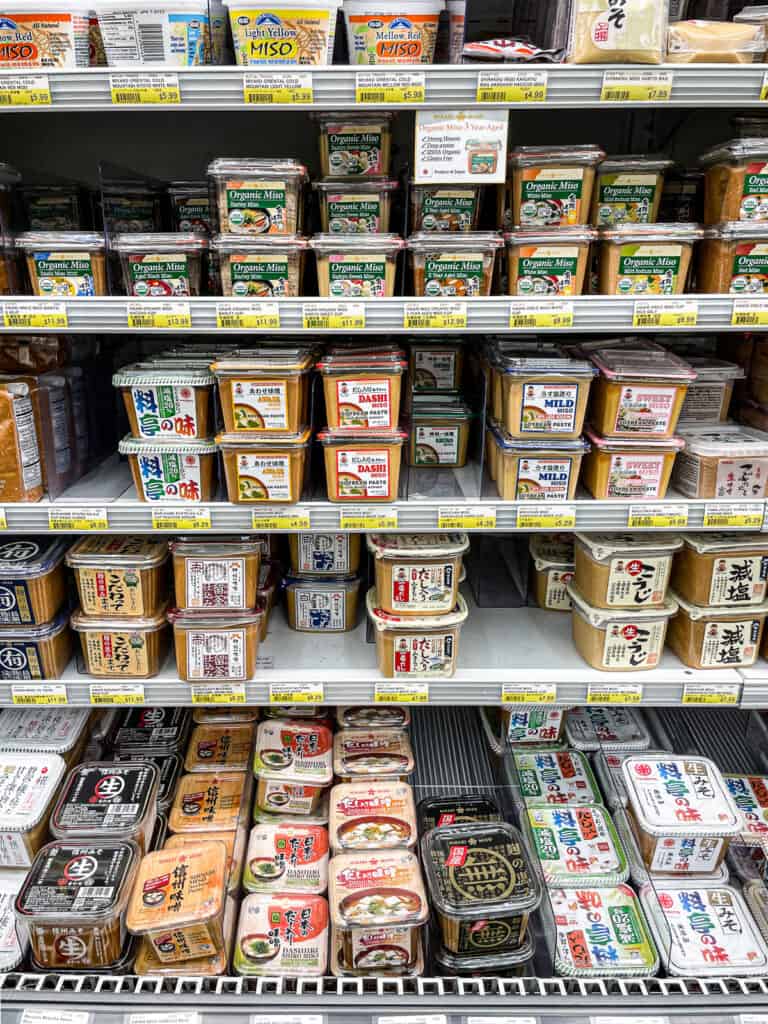
Miso is a fermented paste made from soybeans, salt, and koji (a fermentation starter usually made from rice or barley). It’s salty, savory, and packed with umami.
Types of miso:
- White miso (shiro): Mild, slightly sweet, and very versatile
- Yellow miso (shinshu): Earthier with a bit more strength
- Red miso (aka): Aged longer with a deeper, saltier flavor
Miso vs. Doenjang (Korean fermented soybean paste):
| Japanese Miso | Korean Doenjang | |
| Texture | Smooth, paste-like | Chunky, rustic |
| Flavor | Milder, sometimes slightly sweet | Funkier, saltier, more pungent |
| Use | Soups, dressings, marinades, sauces | Korean stews (jjigae), sauces, dips |
| Interchangeable? | No - different flavor profiles | No - use specific to cuisine |
How I use it:
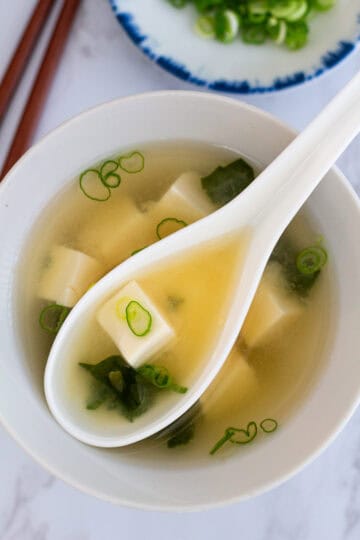
- Stir into broth for a quick miso soup
- Mix into sauce (Miso mushroom pasta) or soup (spicy miso dumpling noodle soup)
- Add to marinades for tofu or fish
Tip:
- I started with white miso because it felt the most versatile and easiest to blend into other dishes. Since miso is a live, fermented food, you’re technically not supposed to cook it over high heat… but I don’t always follow that rule 😅.
- Store it in the fridge in a tightly sealed container — it lasts for months and keeps its flavor best when kept cold.
3. Dashi - Japanese Soup Stock
What it is:
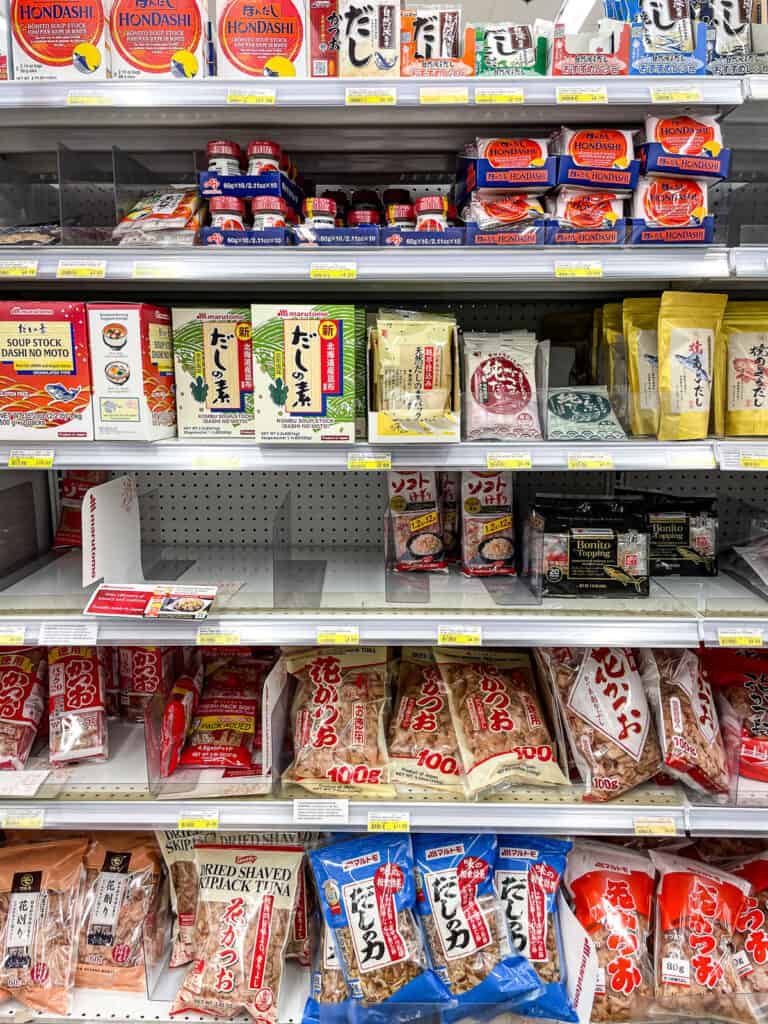
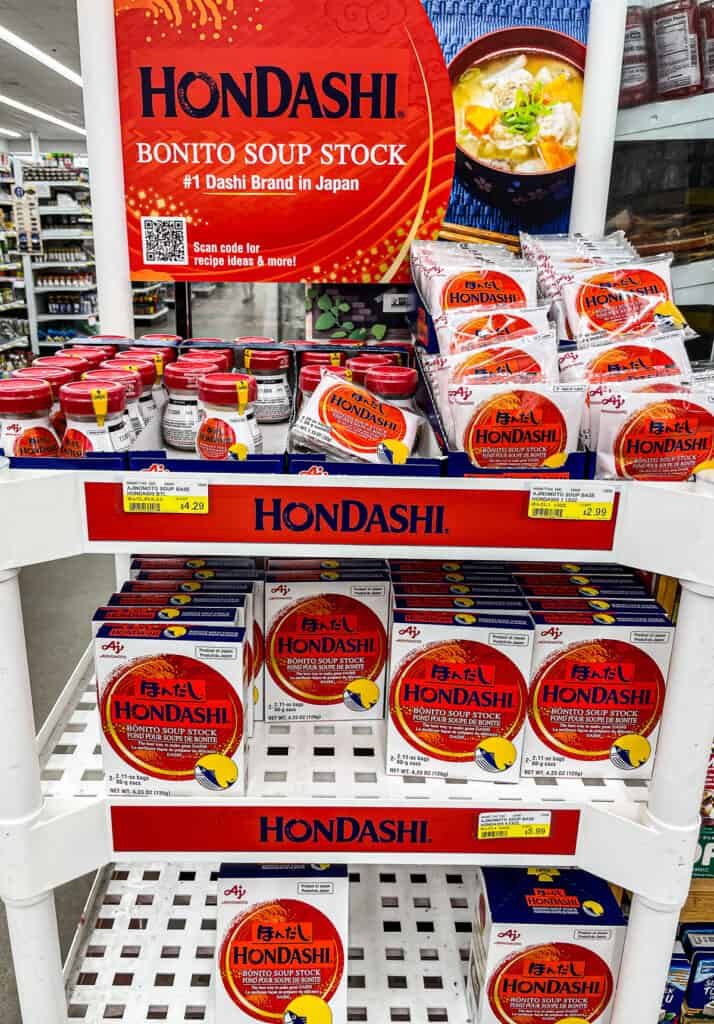
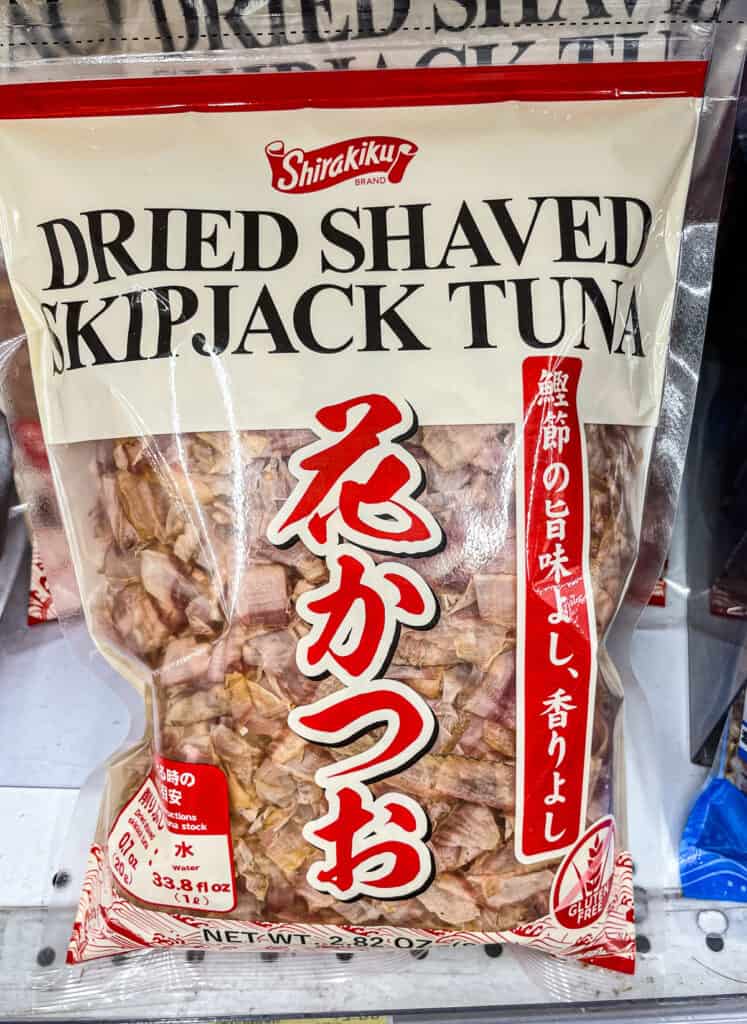
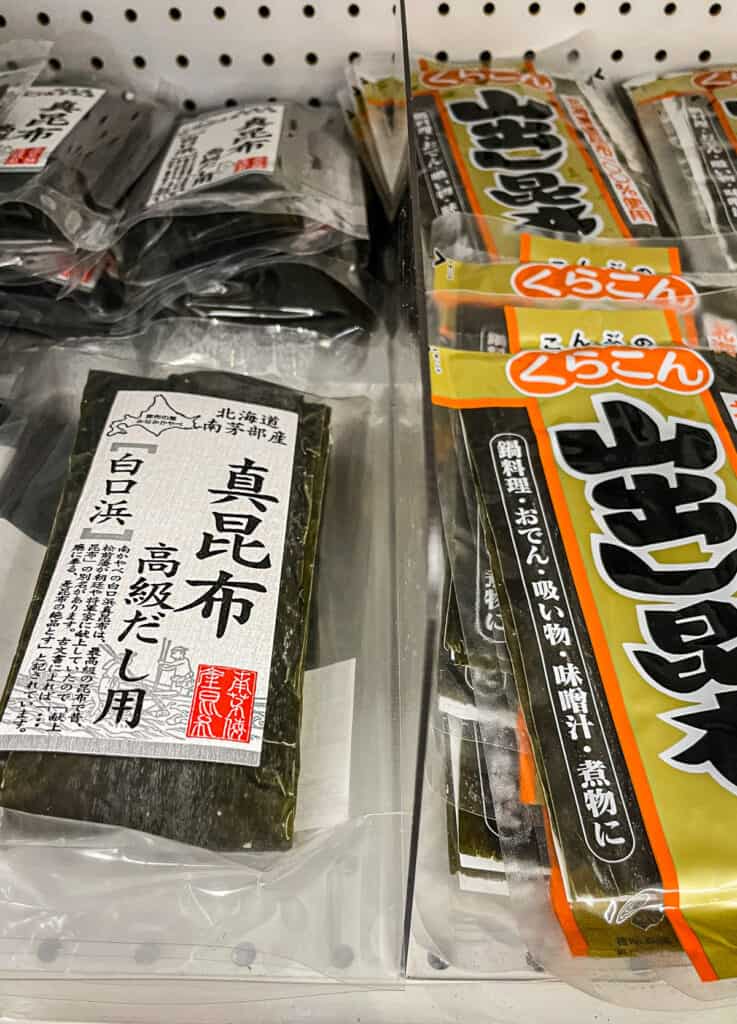
Dashi is a light, umami-rich broth made from kombu (dried kelp) and katsuobushi (smoked skipjack tuna, also known as bonito). It’s kind of like the chicken broth of Japanese cooking - a foundational ingredient that brings depth and savory balance to soups, sauces, and simmered dishes. I usually keep Hondashi (instant dashi powder) in my pantry - it dissolves quickly and adds that signature flavor with minimal effort.
Quick note on ingredients:
- Kombu: Mellow and mild briny umami
- Katsuobushi (bonito): Smoky, savory depth from dried bonito
- Hondashi: Instant powder version made with these flavors (often includes MSG)
How I use it:
- Classic miso soup or noodle broth
- Simmered dishes like oyakodon
- Sauces and stir-fries for subtle umami boost
Tip:
- Hondashi is super convenient and lasts a long time. If you want to make the dashi yourself, you can steep kombu and katsuobushi for a homemade version.
- If you are interested in making different ways to make quick dashi, check out this post!
- Store all three in a cool, dry place in airtight containers. Once opened, katsuobushi can be kept in the fridge to stay fresh longer, but I’d try to use it within a few days.
4. Mirin - Sweet Cooking Rice Wine

What it is:
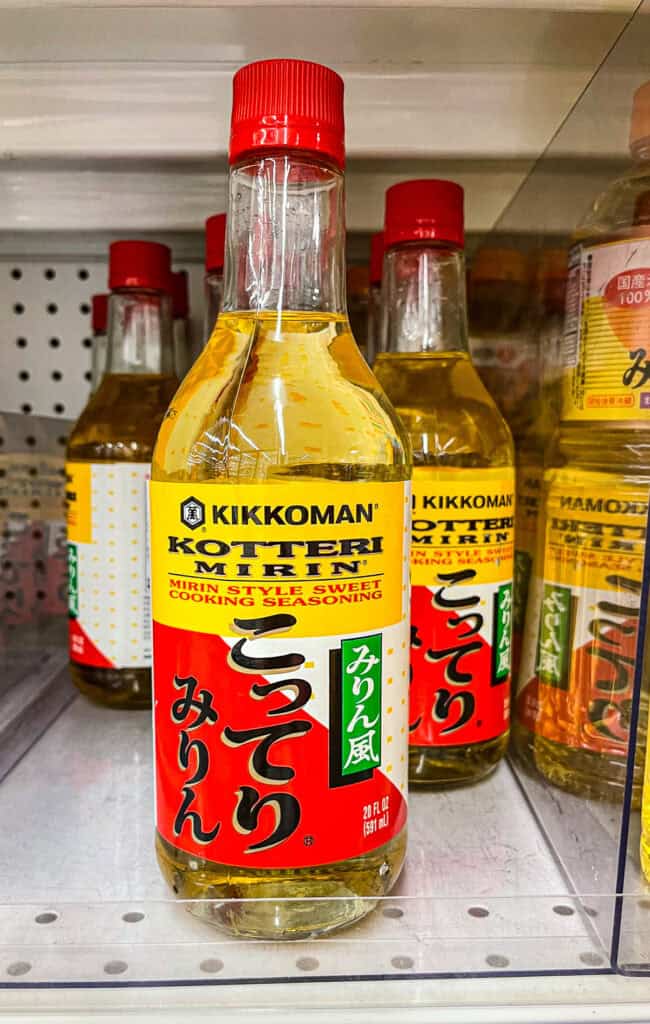
Mirin is a slightly sweet rice wine used for cooking. It adds a gentle sweetness and glossy finish to sauces, glazes, and simmered dishes - helping to balance salty and savory ingredients like soy sauce and miso.
Korean mirim is most similar to aji-mirin in flavor and sweetness, and the two are generally interchangeable in recipes.
How I use it:
- Mix with soy sauce and sugar for a quick teriyaki-style sauce for tofu or chicken
- Add to stir-fries, marinades, or braised dishes for subtle sweetness
Tip:
- There are three types of mirin commonly found in stores:
- Hon mirin (true mirin): ~14% alcohol, traditional, with deep umami and sweetness
- Aji-mirin: ~8% alcohol, contains added sugar or corn syrup, widely available
- Mirin-style seasoning: Less than 1% alcohol, slightly sweeter, and often used as a low-alcohol option
- I personally use aji-mirin for convenience and adjust the sugar in my recipes.
- Store in a cool, dark place or refrigerate after opening.
5. Sake - Japanese Cooking Rice Wine

What it is:
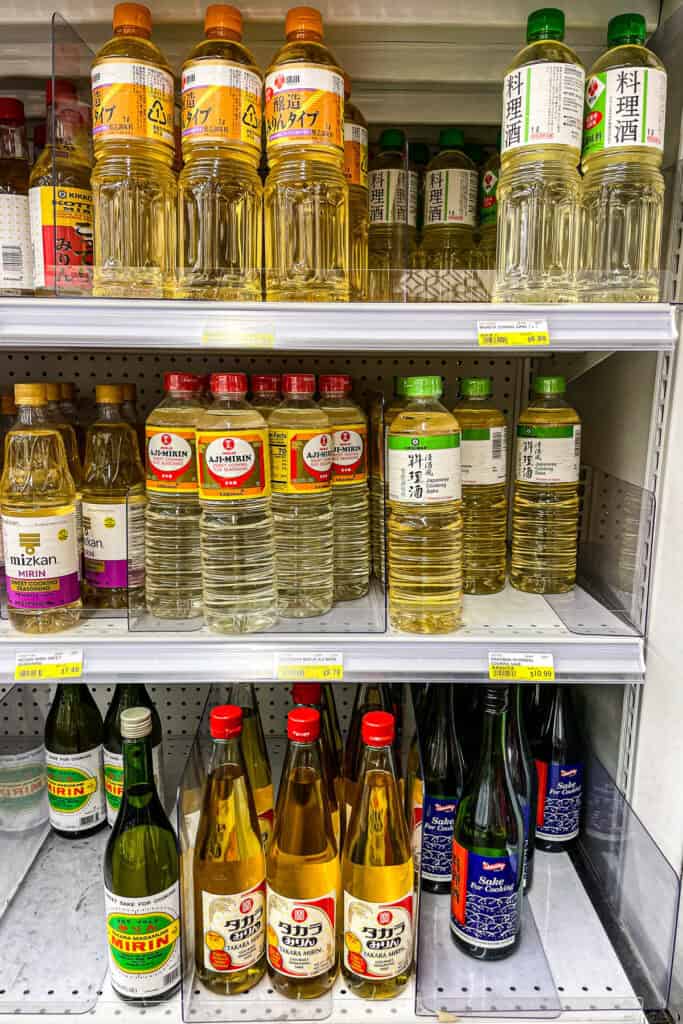
Sake is a fermented rice wine with a clean, dry finish. It’s often enjoyed as a drink, but I mostly use it for cooking. It helps tenderize proteins, reduce strong odors (especially in fish), and adds subtle depth to sauces and simmered dishes.
I buy a cheaper sake specifically for cooking (the label will say “cooking sake”) - and honestly, I wouldn’t drink it. There’s a saying that you shouldn’t cook with wine you wouldn’t drink, but I don’t think that rule applies here!
How I use it:
- In marinades for meat or seafood
- In braised or simmered dishes to mellow out bold flavors
- Combined with soy sauce and mirin for sauces or glazes
Tip:
- Look for sake labeled for cooking. Sake is the dry, savory component that is used for tenderizing and odor reduction, while mirin is sweeter and used to add shine to the dish.
- Some cooking sake is salted, especially in the U.S., so give it a quick taste before using.
- Store in the fridge after opening.
6. Rice Vinegar
What it is:
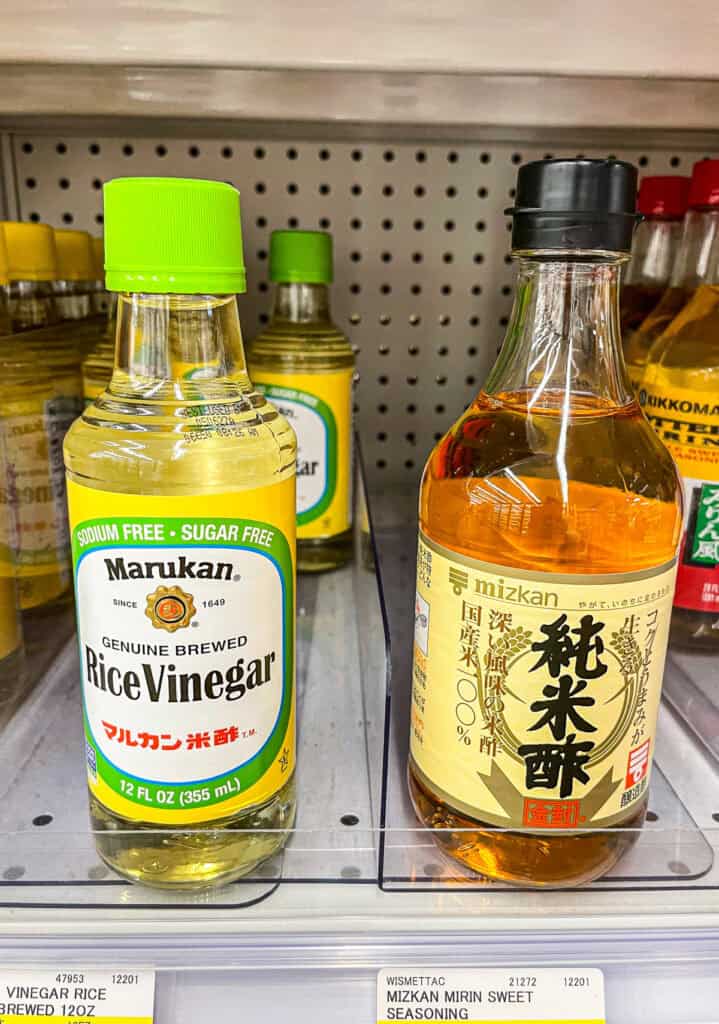
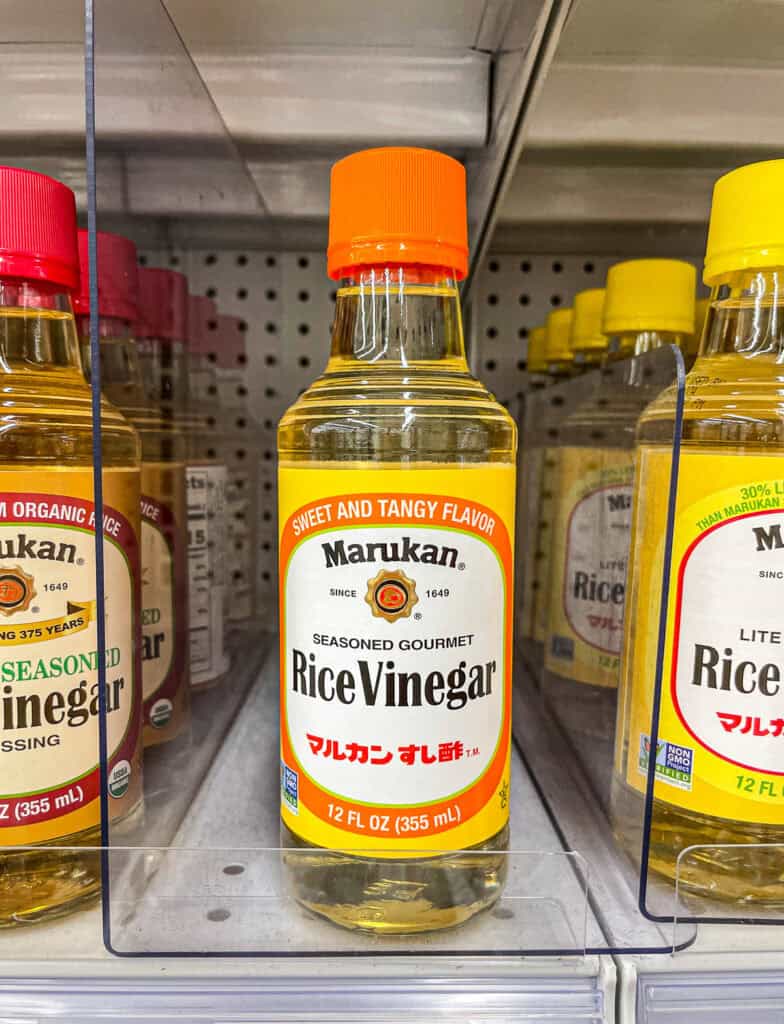
Rice vinegar is a mild, slightly sweet vinegar made from fermented rice. It’s less acidic than white vinegar and adds a gentle tanginess without overpowering other flavors.
How I use it:
- Season sushi rice (with sugar and salt)
- Make dipping sauces or vinaigrettes
- Lightly pickle vegetables
Tip:
- There are two main types:
- Unseasoned rice vinegar: Just vinegar - clean and versatile
- Seasoned rice vinegar: Pre-mixed with sugar, salt, and often flavor enhancers
- I prefer unseasoned rice vinegar so I can control the salt and sugar in my dishes.
- Store in a cool, dark place - no need to refrigerate.
7. Toasted Sesame Oil
What it is:
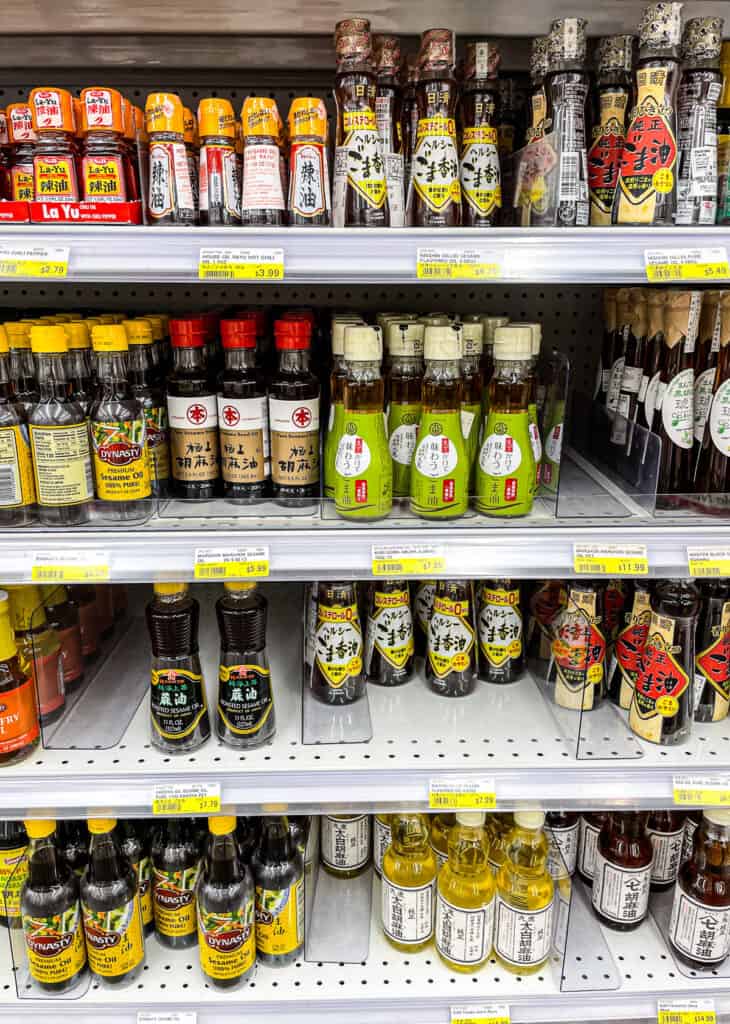
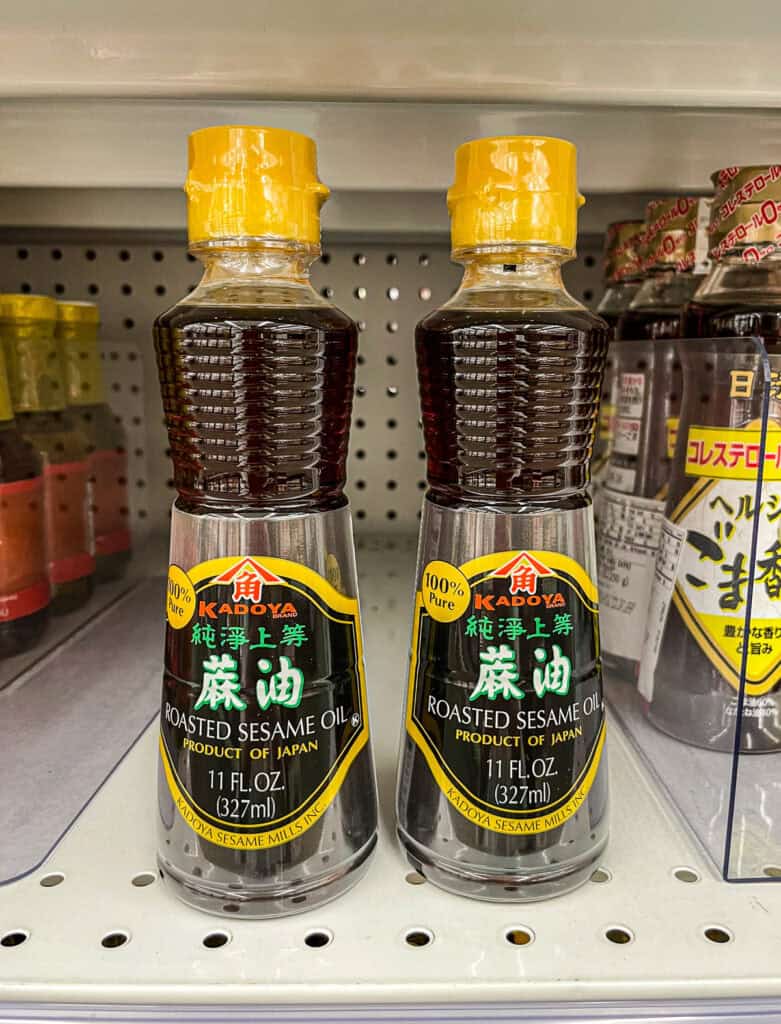
Toasted sesame oil is a fragrant, nutty oil made from roasted sesame seeds. Just a few drops go a long way - it’s bold and aromatic. It is best used as a finishing oil rather than for high-heat cooking.
How I use it:
- Drizzle over noodles, rice bowls, or stir-fries just before serving
- Add to dipping sauces or vinaigrettes
- Mix into marinades for extra depth
Tip:
- Korean sesame oil has a stronger, more robust nutty flavor, while Japanese and Chinese versions tend to be a bit lighter. I use them interchangeably - no need to buy a new one if you already have a bottle at home.
- Store in a cool, dark place or refrigerate after opening to keep it fresh.
8. Nori - Roasted Seaweed Sheets
What it is:
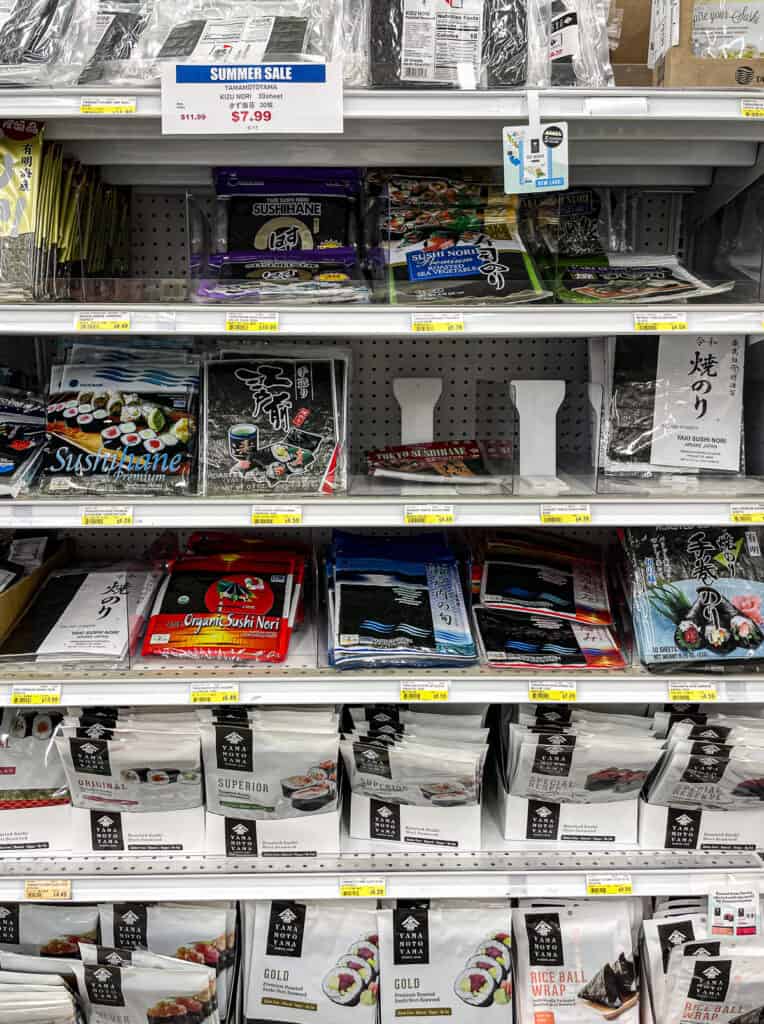
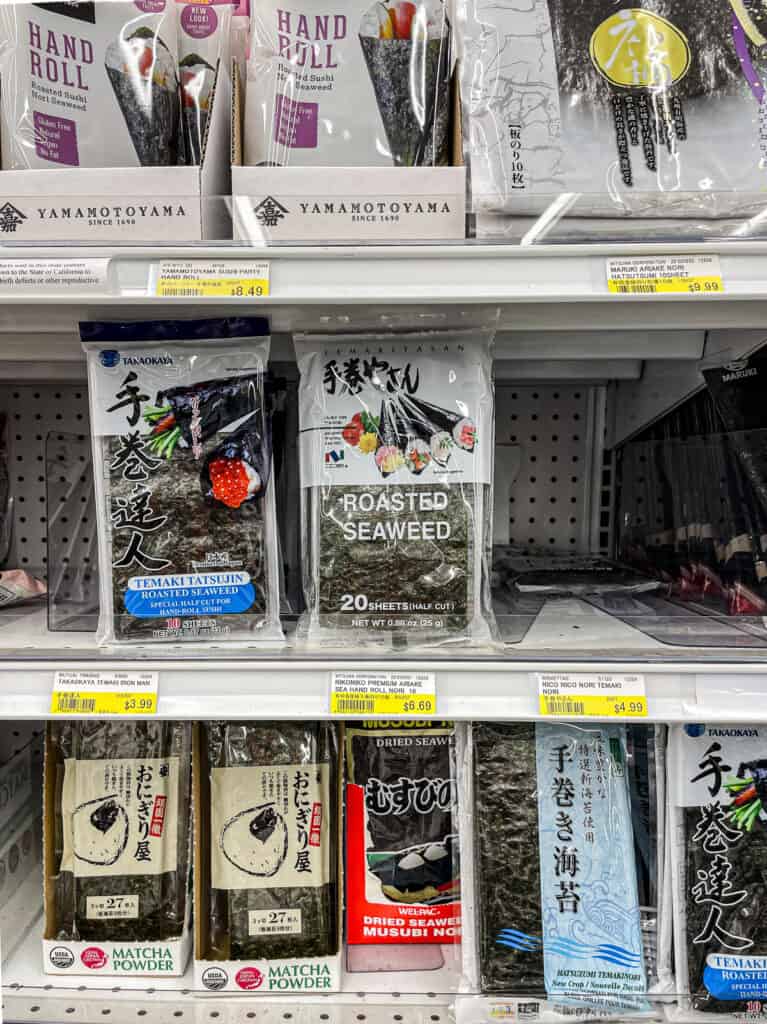
Nori is dried, roasted seaweed commonly used to wrap sushi rolls, but it’s also a pantry staple for quick, flavorful meals. It has a slightly briny, savory flavor and a crisp texture with a hint of smoky flavor if it’s a roasted kind.
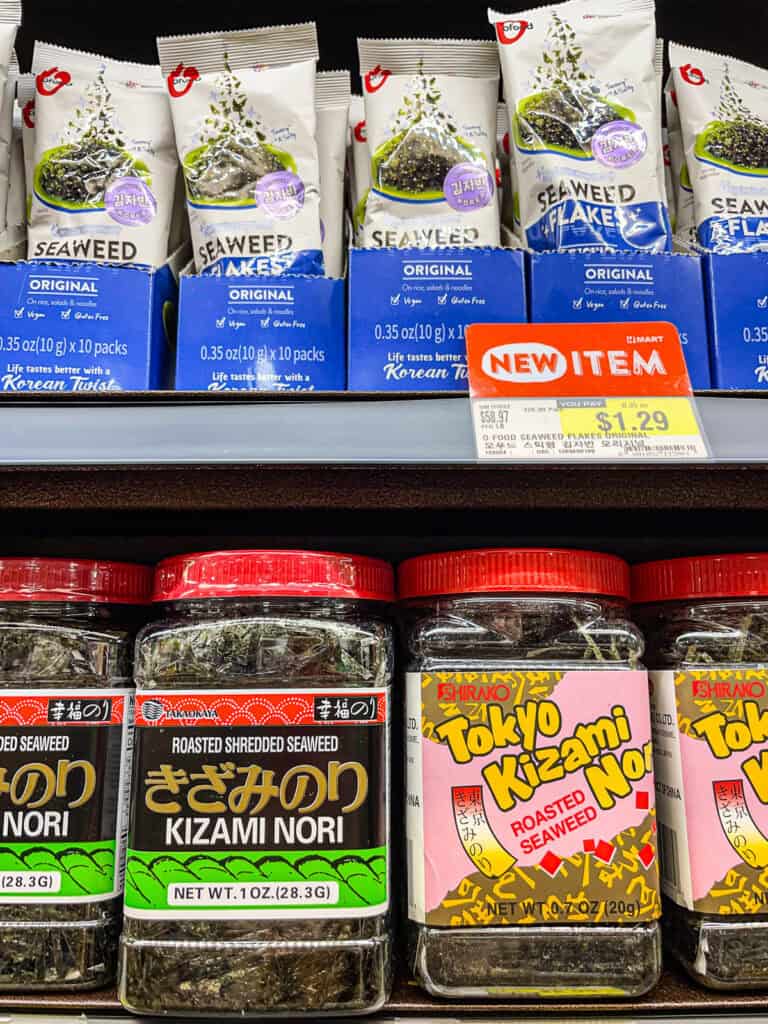
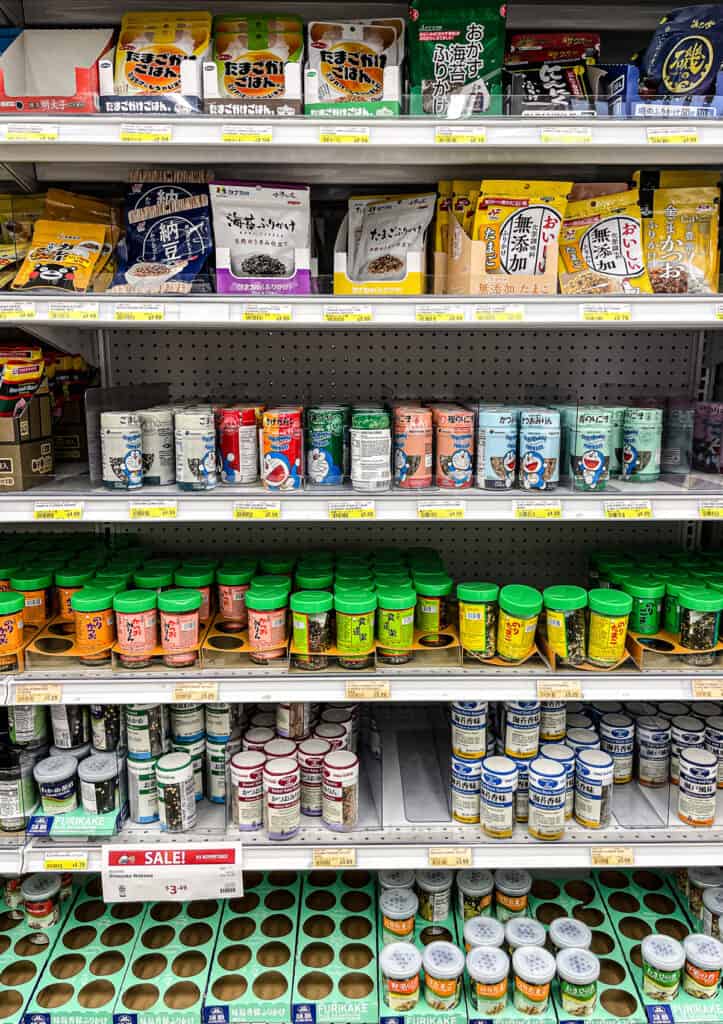
You can find nori in various forms at Japanese (and Korean) grocery stores - full sheets, half sheets, finely shredded strips, and flake-style versions for topping rice, noodles, or soup.
How I use it:
- Wrap sushi rolls or hand rolls
- Crumble over rice, noodles, or salads for added flavor and texture
Tip:
- Keep nori in a tightly sealed bag with the desiccant pack - usually a small white packet labeled “do not eat” that helps prevent moisture. I recommend buying smaller packs (around 10 sheets) and using them within a few days once opened.
- When it comes to seasoned nori, I personally prefer the Korean version over the Japanese one - though that might just be my upbringing 😄
9. Panko - Japanese Breadcrumbs
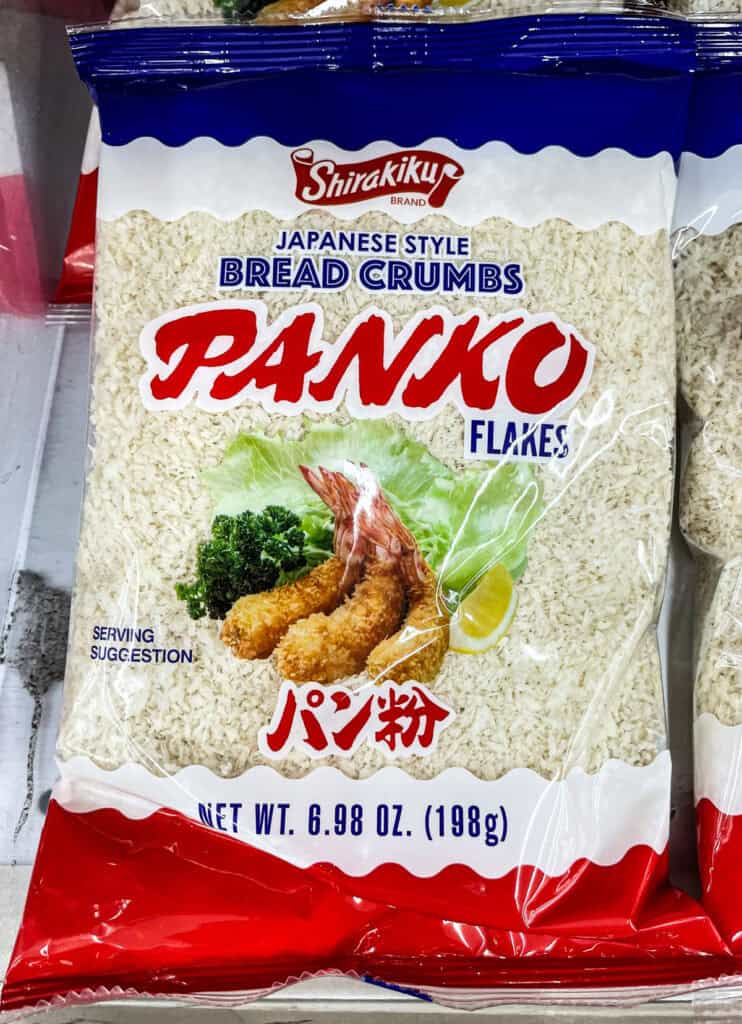
What it is:
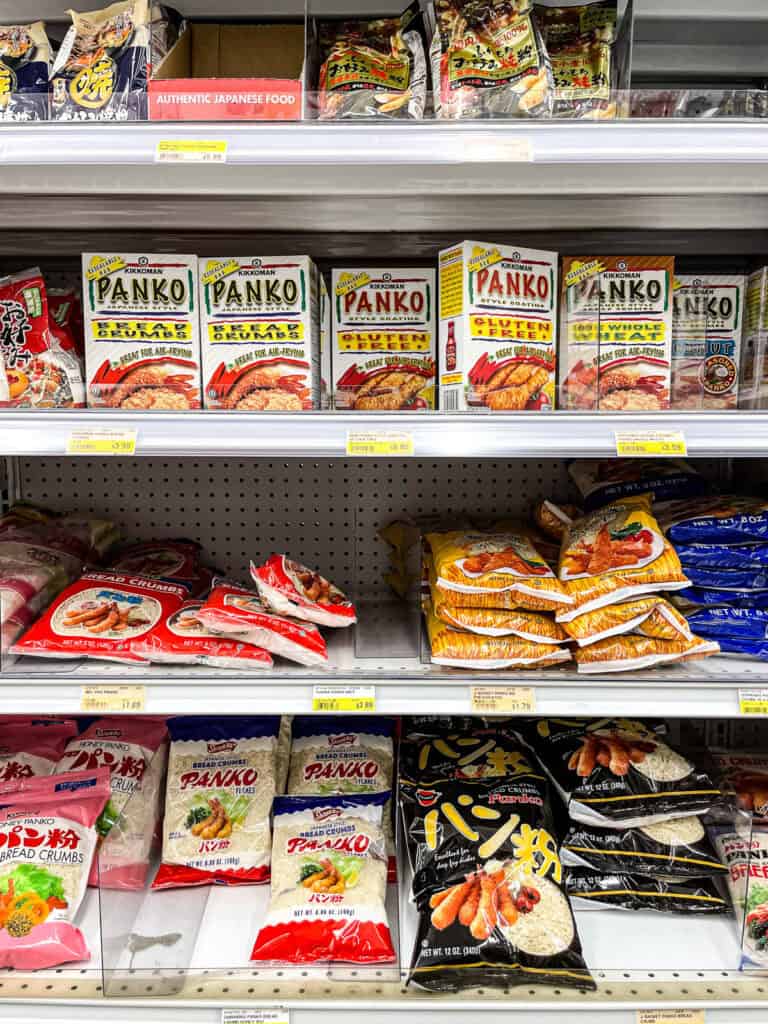
Panko are light, flaky breadcrumbs made from crustless white bread. The flakes are noticeably larger than regular breadcrumbs, which gives them their signature airy crunch.
How I use it:
- Bread cutlets, tofu, or fish for baking or frying
- Sprinkle on top of casseroles or baked pasta for a crispy topping
- Mix into veggie patties or meatballs for texture and lightness.
Tip:
- Panko is my go-to breadcrumb — not just for Japanese dishes, but for just about everything. Its amazing crispy texture makes it my essential pantry item.
- Store it in a tightly sealed container or bag in a cool, dry place.
10. Sushi Rice - Japanese Short-Grain Rice
What it is:
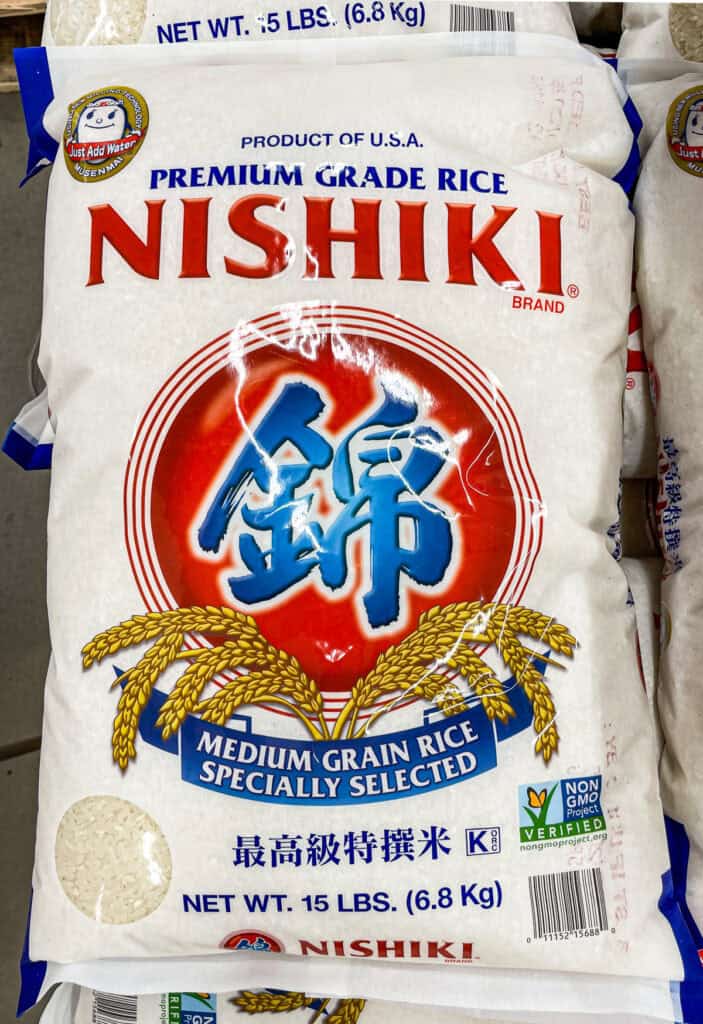
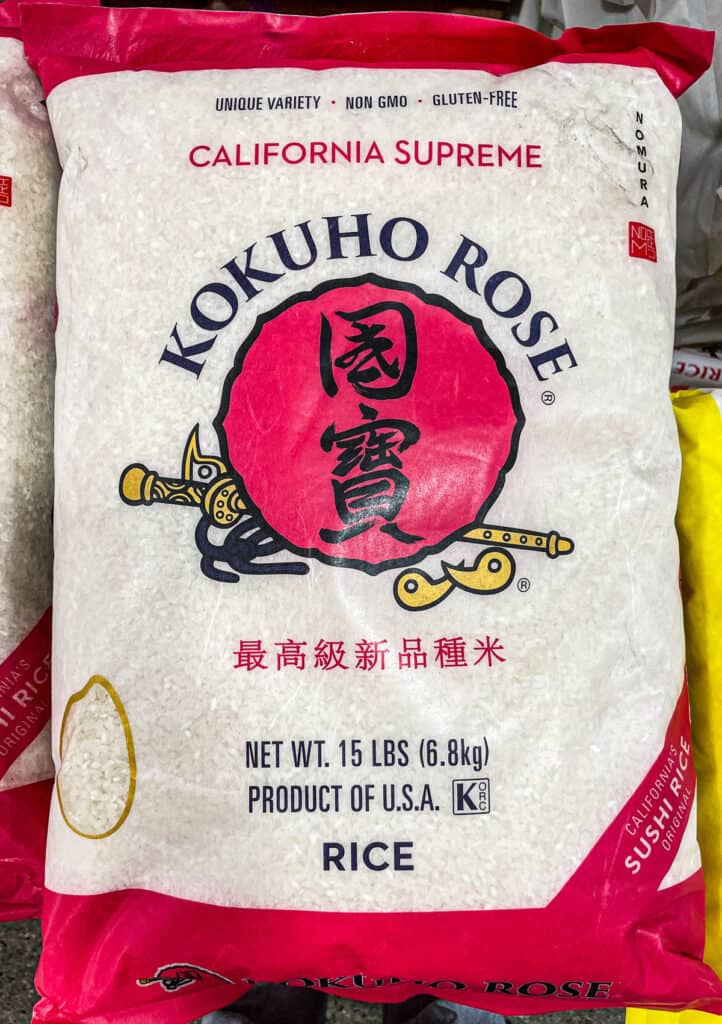
A short-grain rice with a slightly sticky, chewy texture and mild flavor—perfect for sushi, rice bowls, or everyday meals. It’s very similar to Korean short-grain rice, and I often use them interchangeably in my own cooking.
How I use it:
- For sushi rice (seasoned with rice vinegar, sugar, and salt)
- As a base for rice bowls or simple side dishes like onigiri (rice balls)
Tip:
- I usually buy Korean short-grain rice since it’s often a little more affordable and easy to find at HMart or Korean grocery stores.
- I cook both Korean and Japanese rice in a rice cooker with great results. Look for bags labeled “sushi rice” or “Japanese short-grain rice” if you want to stick to traditional brands - Nishiki and Kokuho Rose are commonly available in the U.S. Be sure to rinse the rice 3 - 5 times before cooking.
- Store it in a cool, dry place in an airtight container after opening.
Where I buy these ingredients
For convenience, I do a lot of my Japanese and general Asian grocery shopping at HMart, since it’s the closest large Asian supermarket near me and has a wide selection of pantry staples. While it’s a Korean chain, they usually carry most of the Japanese essentials I need.
If you’re looking for more specialty or authentic Japanese brands—especially for items like dashi, sake, or miso—I recommend checking out Mitsuwa Marketplace or Tokyo Central if you have one nearby.
I’ve also had luck finding Japanese ingredients on Amazon and Weee!, especially when I need something quickly or can’t find it locally.
Beyond the Pantry - Fresh Essentials
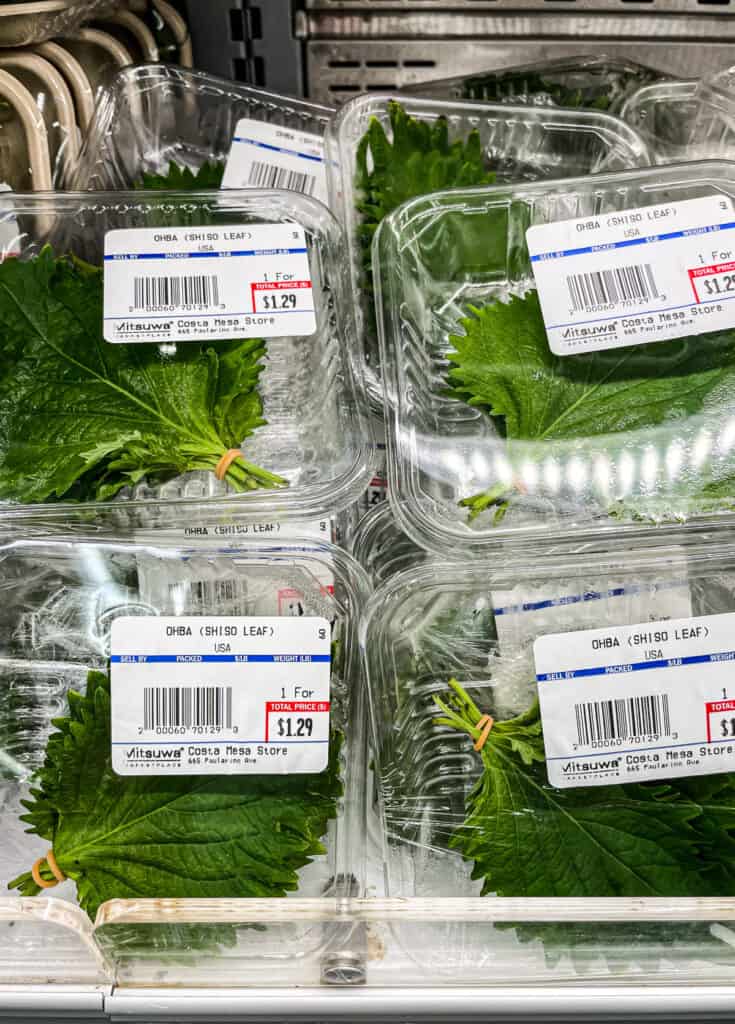
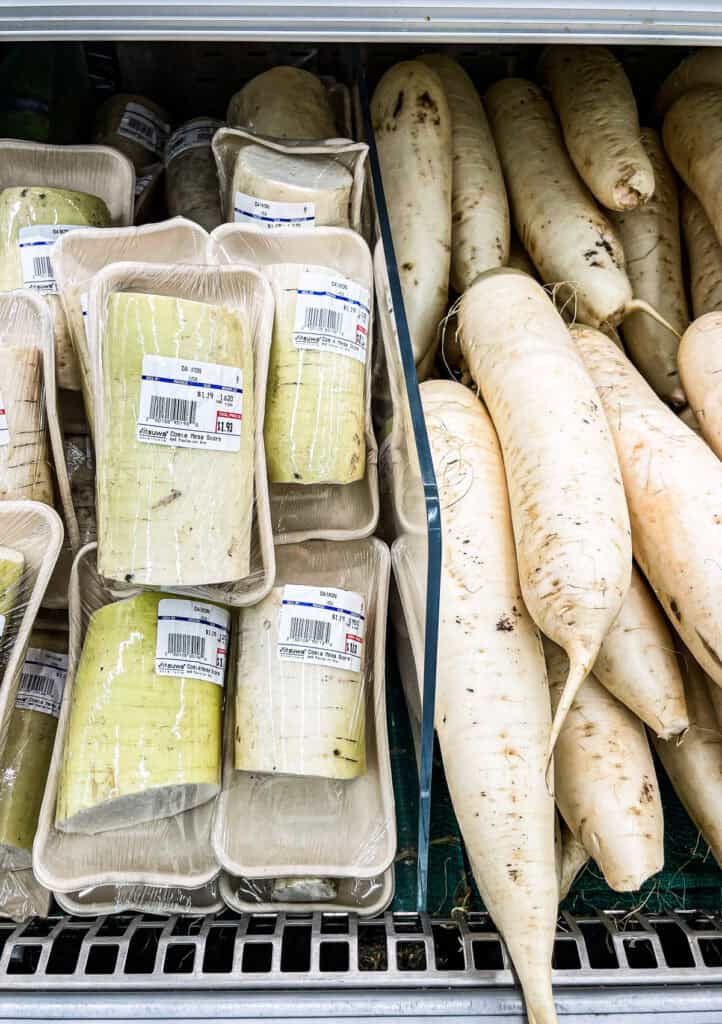

While pantry staples make Japanese cooking approachable at home, a few fresh ingredients help bring it all to life. These are the items I find myself reaching for again and again:
- Scallions (green onions): Used often in soups, rice bowls, and stir-fries—they add color, freshness, and flavor.
- Ginger: Fresh ginger brings warmth to sauces and stir-fries. I’ll pick up pickled ginger only when I’m making sushi at home.
- Garlic: Not as prominent in traditional Japanese cooking as in Korean cuisine, but still important in sauces, marinades, and quick stir-fries.
- Tofu: Great for miso soup or as a plant-based protein option in bowls and simmered dishes.
- Daikon radish: Used in simmered dishes, soups, and pickles. I also like grating it to serve with soba noodle or dipping sauces.
- Shiso leaves: A fragrant, minty herb often used as a garnish, in rice balls, or alongside sashimi and sushi.
- Enoki & shiitake mushrooms: Add earthy umami flavor to soups, rice dishes, or hot pots. Keeping dried shiitake mushrooms in the pantry is also a great addition to making flavorful broth and last a long time.
My Go-To Sources for Everyday Japanese Cooking
I’m always learning and growing in the kitchen, and these are the websites I turn to most when I’m looking for reliable, approachable Japanese recipes:
- Just One Cookbook – My favorite go-to for classic and modern Japanese recipes. Her instructions are clear, and she includes lots of helpful visuals.
- Chopstick Chronicles – I love the personal stories behind her recipes, and she shares practical tips that are super helpful.
- RecipeTin Japan – A great resource for home-style Japanese cooking with straightforward explanations.
Everyone’s pantry looks a little different — and that’s exactly how it should be. This guide is simply a peek into how I stock my own kitchen to make everyday Japanese cooking feel approachable and enjoyable at home.
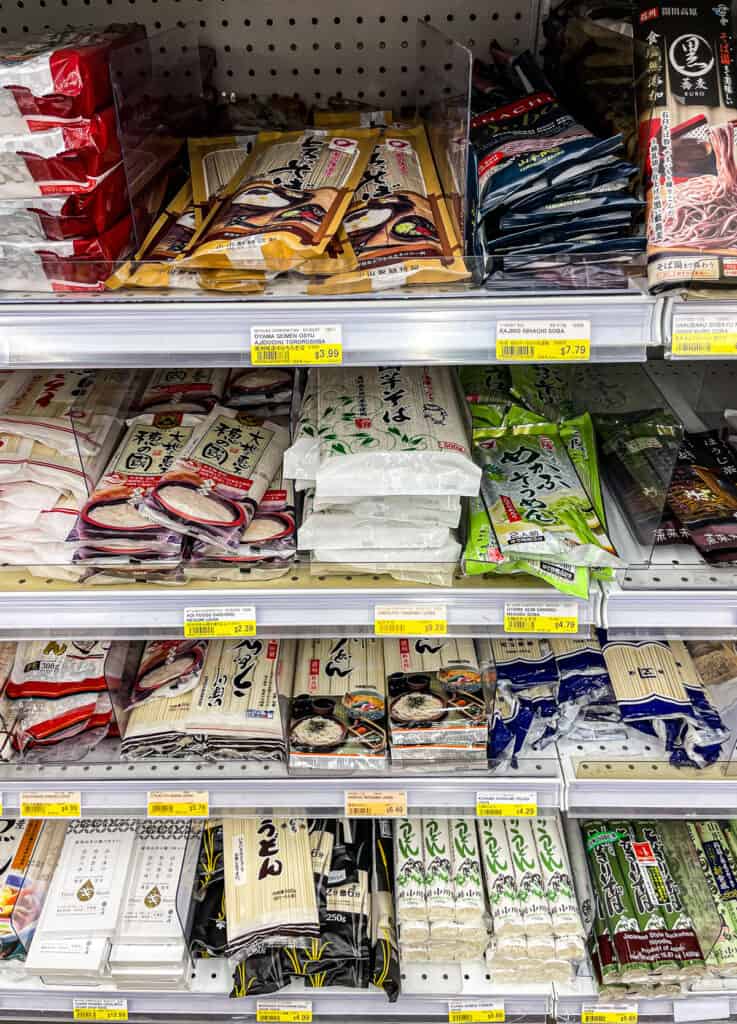
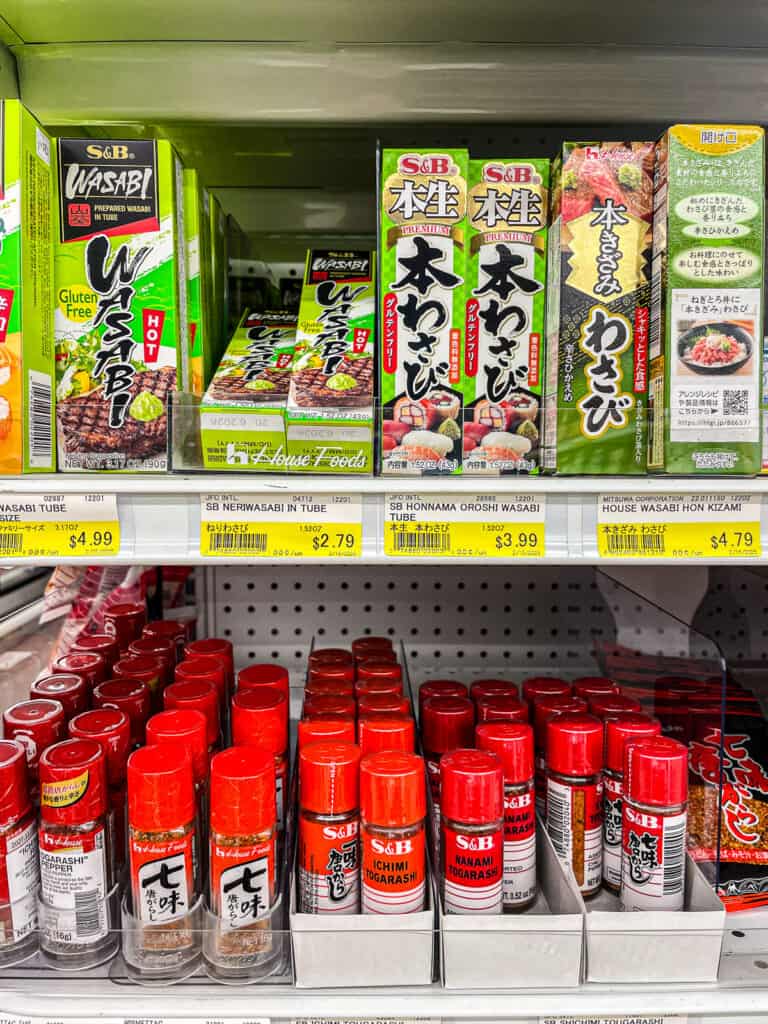
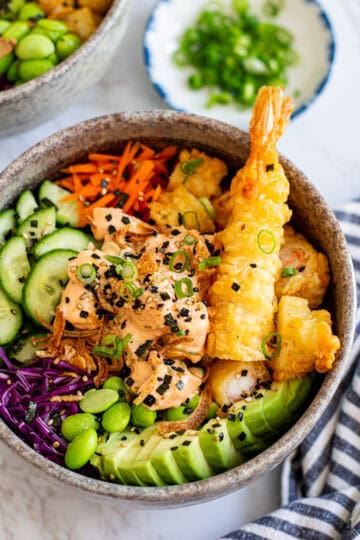
If you’re just getting started, I recommend beginning with your favorite Japanese dish, whether it’s miso soup, poke bowl, sushi rolls, or a comforting bowl of curry, and building your pantry from there. Over time, you might find yourself reaching for other ingredients you love, like wasabi, or exploring different noodles such as soba, udon, or ramen.
However you start, I hope this guide helps you feel a little more confident and excited to bring Japanese flavors to your own table!
Share your thoughts below!